The post What Is The Standard Image Size for eCommerce? Professional Guide 2026 appeared first on Grasigner .
]]>High-quality visuals play a critical role in influencing buyer confidence. In fact, 90% of shoppers admit that the quality of product imagery directly impacts their purchasing choices, while 30% say they would forgo a purchase altogether if product images are poor or absent.
To effectively showcase your products and maximize conversions, professional imagery is essential. Equally important is understanding how to strategically integrate and optimize these images throughout your Ecommerce store. This comprehensive guide will walk you through everything you need to know from selecting the ideal ecommerce product image sizes and formats to effortlessly resizing your visuals and applying best practices to ensure your product photos captivate and convert.
Why is image size important for ecommerce products?
Your Ecommerce store has various pages, each page featuring images of different sizes. It helps to have the right dimensions to ensure a clean, professional look. Optimizing image sizes not only enhances your store’s visual appeal but also provides customers with clearer product views, creating a more engaging shopping experience and helping turn visitors into loyal buyers.
Here’s top three main reasons why getting the image size right matters:
Improves page loading speed
One of the biggest frustrations in online shopping is slow-loading eCommerce websites. Pages that lag not only waste valuable time but also create a poor browsing experience. In most cases, oversized image files are the primary cause, significantly slowing down product pages and leading to abandoned carts and lost sales. By optimizing your images for the perfect balance between file size and quality. You can ensure faster load times across all devices, improving user experience and boosting conversions.
Boosts user experience
When shopping online, customers rely heavily on product images to connect with what they’re buying. The appearance of your products plays a crucial role in shaping customer perceptions and influences their purchasing decisions. Using the correct image sizes ensures that visuals remain sharp and undistorted, enhancing user experience and enabling smooth, confident navigation throughout your store.
Improves search engine ranking
Achieving a presence on the first page of search engine results is essential for maximizing your business’s online visibility. Every day, billions of users turn to search engines to find answers and products, typically engaging with the top results. Optimizing your image size and quality plays a key role in enhancing site performance, boosting visibility, and driving more traffic to your store.
2026 Platform-Specific Product Image Size Requirements
As eCommerce continues to evolve in 2026, staying updated with the latest product image size requirements is more important than ever. Each major platform updates its guidelines to improve visual quality, page speed, and customer experience. Whether you sell on Amazon, Shopify, social media, or Google Shopping, using the correct image sizes directly impacts visibility, trust, and conversions.
Amazon Product Image Guidelines
Amazon enforces strict product image standards to maintain a clean and professional marketplace.
- Minimum size: 1000 × 1000 pixels (enables basic zoom)
- Recommended size: 1600 × 1600 pixels or larger for sharper zoom
- Maximum size: Up to 10,000 pixels on the longest side
- Supported formats: JPG (preferred), PNG, TIFF, GIF
- Background: Pure white (RGB 255, 255, 255)
- Product coverage: Must fill at least 85% of the image frame
Amazon does not allow watermarks, text, logos, or promotional graphics. Images that fail to meet these standards may cause listing suppression or removal. Following Amazon’s eCommerce product image size guidelines is essential to protect visibility and maximize sales performance.
Shopify and Other eCommerce Platforms
Shopify allows more flexibility but strongly recommends consistent, high-quality product images for the best shopping experience.
- Recommended size: 2048 × 2048 pixels for clear zoom and detail
- Maximum file size: 20MB (under 3MB is ideal for fast loading)
- Aspect ratio: 1:1 (square) for product listings
- Banner sizes: Typically 1200–2500 × 400–600 pixels
Platforms like WooCommerce and BigCommerce follow similar image size standards. Always review the latest platform documentation, as requirements may change. Oversized images can slow your store, while inconsistent sizing can break visual consistency and reduce user trust.
Social Commerce Image Sizes: Instagram, Facebook & Pinterest
Social commerce continues to grow rapidly in 2026, making proper image sizing critical for engagement and ad performance.
- Instagram: 1080 × 1080 pixels (square posts)
- Facebook Shops: Minimum 500 × 500 pixels; 1024 × 1024 pixels recommended
- Pinterest: 1000 × 1500 pixels for vertical pins
Using the correct eCommerce product image size across social platforms helps maintain a strong brand presence, improves engagement, and increases click-through rates. Always preview images before publishing to avoid unwanted cropping or quality loss.
Ecommerce Products image size guidelines (overview)
Three main factors affect the size of images you upload to Ecommerce Products: Site theme, platform limits, and the purpose of your image.
Site theme
While all Shopify themes support image integration into product listings, each theme may have specific image size requirements. Non-compliance with these guidelines can lead to issues such as image cropping or distorted displays. Furthermore, many themes include built-in image optimization tools that help preserve image quality and ensure seamless site performance.
Image requirements E-commerce Store:
- E-commerce Store recommends keeping images within the following specifications:
- Maximum image dimensions: 4472 x 4472 pixels or 20 megapixels
- Best size for square photos: 2048 x 2048 pixels
- Maximum image file size: 20 MB
To enable zoom on product images, make sure they are at least 800 x 800 pixels. Smaller images won’t support zoom.
The platform automatically resizes images that exceed the permitted dimensions to ensure they conform to the specified limits. Additionally, the number of media files you can upload to your store varies depending on your Ecommerce plan. Ecommerce Basic supports up to 250 images, Ecommerce for Small Businesses allows up to 1,000, and Advanced Ecommerce permits up to 5,000 images per product.
Image purpose
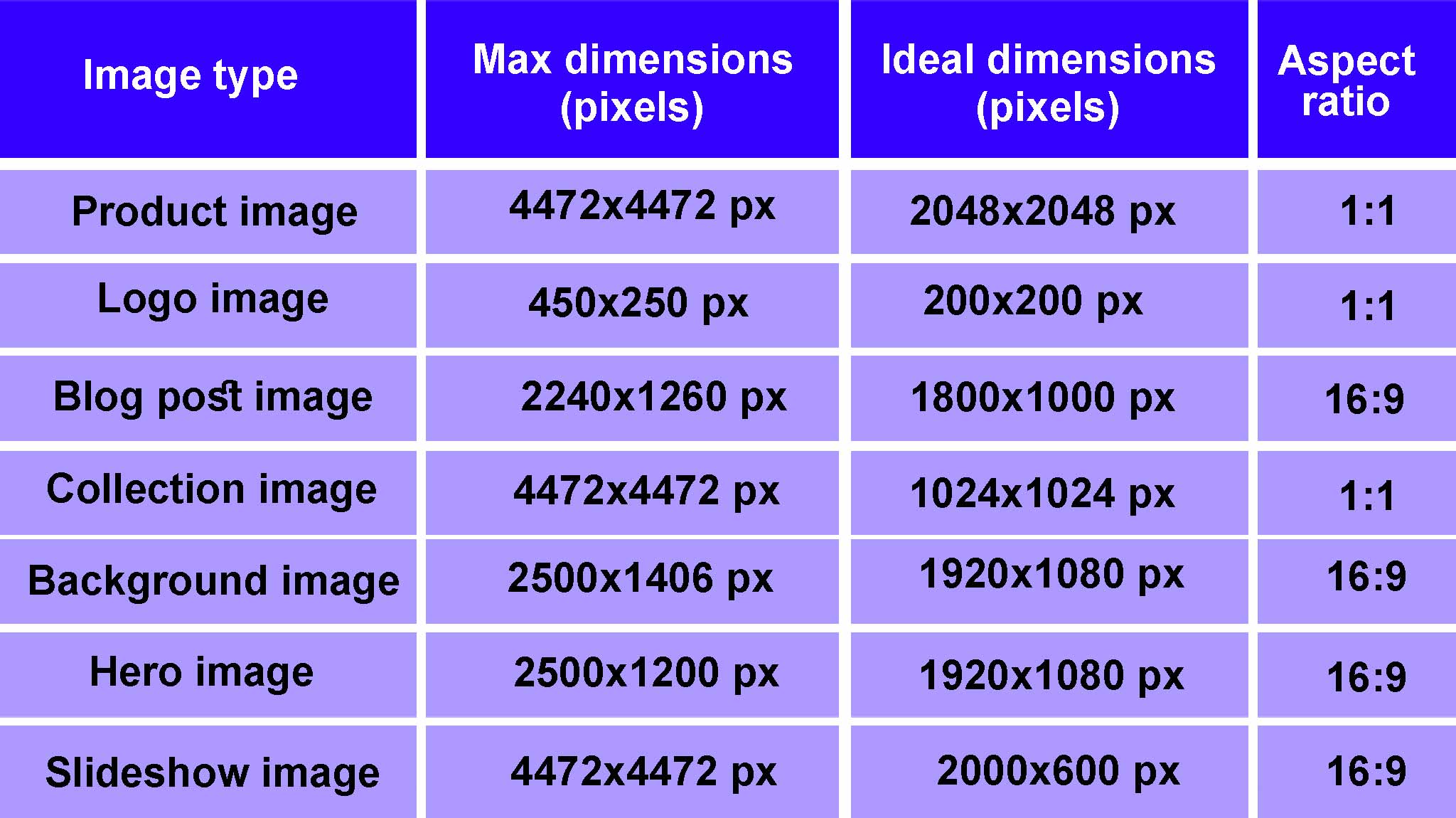
The dimensions of your images should align with their intended purpose. Below is a detailed overview of the recommended image sizes for various types of visuals on Shopify eCommerce stores:
Best Ecommerce Product Image Sizes
Let’s explore the optimal image dimensions for various ecommerce product elements, including product images, blog visuals, collection covers, background graphics, hero sections, slideshows, banners, and logos.
Keep in mind that individual themes may have specific size requirements. To ensure the best visual results and performance. Always consult your theme’s guidelines and specifications.
Ecommerce product image size
When uploading product images to your Ecommerce store, strive for exceptional quality and visual consistency. Providing high-resolution, zoom-capable images allows customers to thoroughly inspect product details, enhancing their online shopping experience and fostering greater confidence in their purchasing decisions.
- Maximum image size: 4472 x 4472 pixels
- Ideal image size: 2048 x 2048 pixels
- Aspect ratio: 1:1 (square images) or 3:1 (rectangular photos)
- Maximum file size: 3 MB
Ecommerce logo image size:
Logo images are typically small-sized, but it plays a vital role in establishing brand identity across your Ecommerce store. As they appear consistently on every page, it’s essential to select dimensions that ensure clarity and scalability across various themes, devices, and screen resolutions.
- Maximum image size: 450 x 250 pixels
- Ideal image size: 200 x 200 pixels (square)
- Aspect ratio: 1:1 (square) and 2:3 or 4:1 (rectangular)
- Maximum file size: 1 MB (ideally smaller)
The Tofino Soap Company employs a clean, text-based logo positioned centrally on their website, presented within a rectangular aspect ratio.
Ecommerce blog image size:
Blog images are typically two categories: featured images and inline images within the blog content. Their dimensions may vary depending on your theme and the visual impact you wish to achieve.
Inline images should align seamlessly with the blog’s text column, commonly around 600 pixels in width. While maintaining moderate aspect ratios to avoid overshadowing the content. Featured images, displayed as thumbnails or headers, should be uniform in size across all posts to maintain a cohesive, visually consistent blog experience.
Here are the featured image guidelines for blog posts are as follows:
- Maximum image size: 2240 x 1260 pixels (width x height)
- Ideal image size: 1800 x 1000 pixels (1.8:1 aspect ratio)
- Aspect ratio: 16:9
- Maximum file size: 3 MB
Ecommerce collection image size
Collection images serve as visual gateways to product categories, offering customers an immediate glimpse into the range of items within each group. These images enhance navigation, helping shoppers quickly identify and explore products that align with their interests.
- Maximum image size: 4472 x 4472 pixels
- Ideal image size: 1024 x 1024 pixels
- Aspect ratio: 1:1 (Square)
- Maximum file size: 20 MB
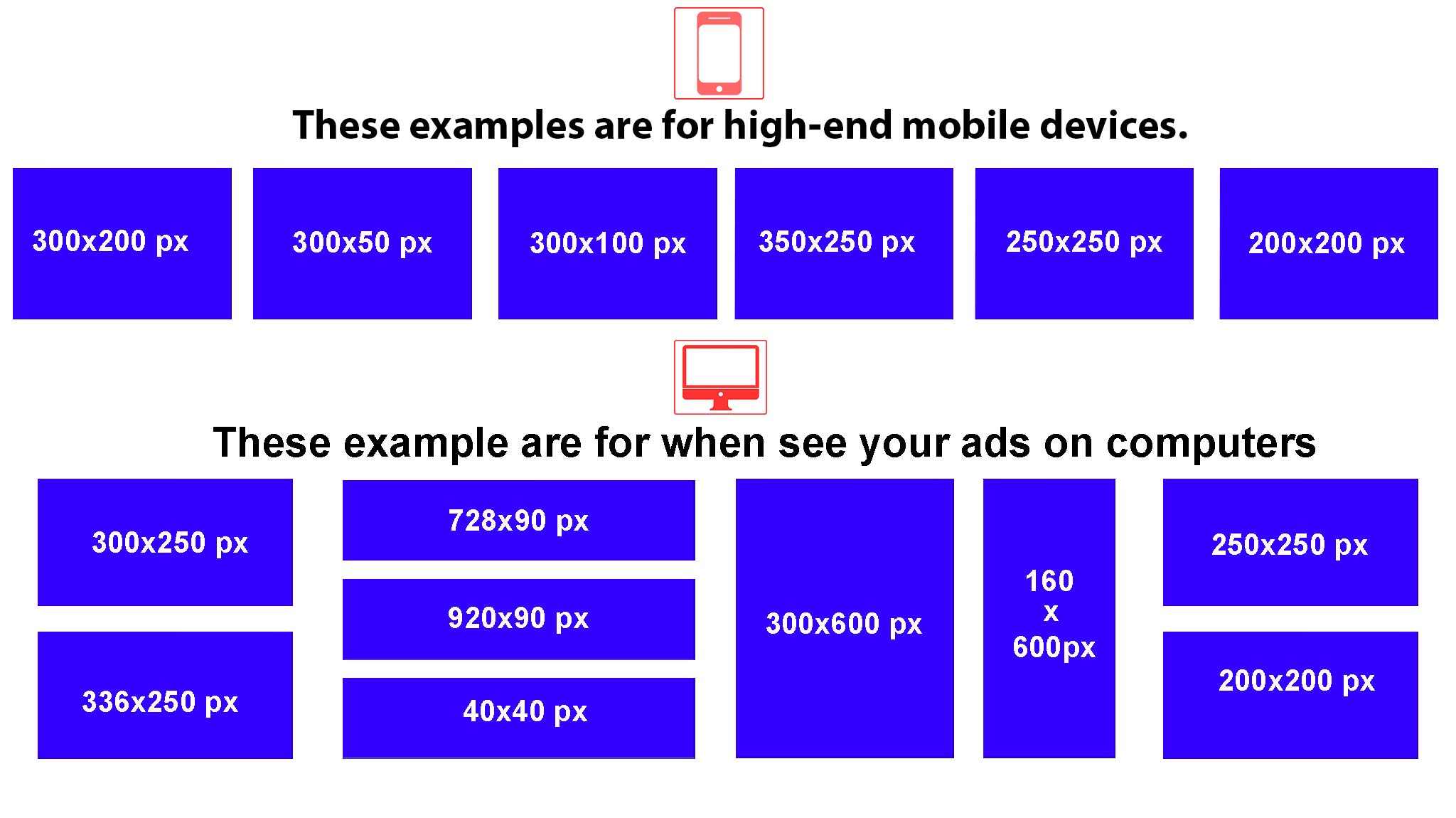
Ecommerce banner image size
Banner images vary in size and format, tailored to your specific requirements and website layout. Typically featured in promotional sections across your store, they play a key role in capturing attention. As a leading authority in digital advertising, Google recommends the following banner sizes for optimal performance on your site:
Ecommerce background images
When choosing or designing your background image, prioritize simplicity and clarity to ensure a seamless user experience. Ecommerce platforms typically resize background images for smaller screens, meaning the image may appear differently across various devices.
- Maximum image size: 2500 x 1406 pixels
- Ideal image size: 1920 x 1080 pixels
- Aspect ratio: 16:9
- Maximum file size: 20 MB
Ecommerce hero image size
Hero images are prominent, visually striking images featured at the top of your homepage. Often referred to as non-ad banners, they are sometimes confused with background images. However, the key distinction is that hero images are generally shorter, typically about half the height of a background image. Designed to adapt to various screen sizes, hero images should be optimized for the largest screen resolution (1920 x 1080 pixels for desktop) to ensure crisp, high-quality visuals across all devices.
- Maximum image size: Between 1280-2500 pixels (width) and 720-1200 pixels (height)
- Ideal image size: 1920 x 1080 pixels
- Aspect ratio: 16:9 (landscape orientation)
- Maximum file size: 10 MB
Ecommerce slideshow image size
Slideshow images cycle through a series of visuals and are typically featured on the homepage or product pages. To maintain design cohesion and visual appeal, ensure all images in the slideshow share consistent dimensions or aspect ratios.
- Maximum image size: 4472 x 4472 pixels
- Ideal image size: 1200-2000 pixels (width) x 400-600 pixels (height)
- Aspect ratio: 16:19 (Adjust to either fill the above-the-fold space or allow other sections to appear below the slideshow without scrolling)
- Maximum file size: 20 MB
How to prepare and edit your images for Ecommerce Products
Excellence in product photography is a cornerstone of successful e-commerce. High-quality, authentic images not only elevate the perceived value of your products but also attract your ideal customers, turning them into loyal advocates for your brand. This, in turn, drives revenue growth and fosters a reputable business presence.
To improve the effectiveness and impact of your product images, invest time in both capturing clear, high-resolution photos and utilizing AI-driven editing tools for refinement before uploading to your Ecommerce store.
Take clear product pictures
When capturing your product photos, follow these expert tips for better results:
- Use natural light or invest in a professional lighting kit to capture more captivating shots.
- Clean your camera lens to eliminate blurry images.
- Keep the product in sharp focus to enhance image clarity and highlight fine details.
- Use a tripod to stabilize your camera and minimize motion blur for consistently crisp photos.
- Capture multiple angles to provide editing flexibility and a more complete visual representation of the product.
- Set your camera or smartphone to high resolution to ensure maximum image quality, enabling greater detail and sharper results.
It’s important to keep in mind that higher-resolution images typically result in larger file sizes, which can impact your website’s loading speed. To balance image quality with performance, consider the following optimization strategies:
- Follow Shopify’s recommended image dimensions to ensure proper display and alignment across your store’s layout and devices.
- Conduct A/B testing to identify the optimal balance between image quality and file size, tailored to your target audience’s preferences and behavior.
- Leverage AI-powered compression and optimization tools to minimize file sizes while preserving visual quality, improve site performance without compromising aesthetics.
Ecommerce product image size FAQ
What is the best size for product images on Ecommerce Store?
For optimal clarity and functionality, Ecommerce store recommends using square product images sized at 2048 x 2048 pixels. Image dimensions should not exceed 4472 x 4472 pixels and should remain above 800 x 800 pixels to retain the zoom feature. It’s also important to note that different image types across your store.
Why are my ecommerce product images blurry on mobile?
If your Shopify images appear blurry on mobile devices, it’s likely because you uploaded them at low resolution. To maintain visual clarity, ensure your product images fall within the recommended range of up to 4472 x 4472 pixels. Additionally, be mindful that some themes may have specific image size requirements. So it’s essential to review and follow your theme’s design guidelines for optimal results.
What is the best file size for optimum speed on an Ecommerce Product?
To ensure faster page loading and optimal site performance, it’s recommended to keep image file sizes within Shopify’s 20 MB limit. So, use image compression and optimization tools to effectively balance visual quality with manageable file sizes.
Why are my product images different sizes on Ecommerce stores?
The sizes of your images dimensions can cause visual discrepancies across your store. To maintain a cohesive appearance, resize or crop your images to a uniform set of dimensions before uploading. Also, check your theme settings to determine if automatic resizing is applied, and make any necessary adjustments to ensure optimal presentation.
The post What Is The Standard Image Size for eCommerce? Professional Guide 2026 appeared first on Grasigner .
]]>