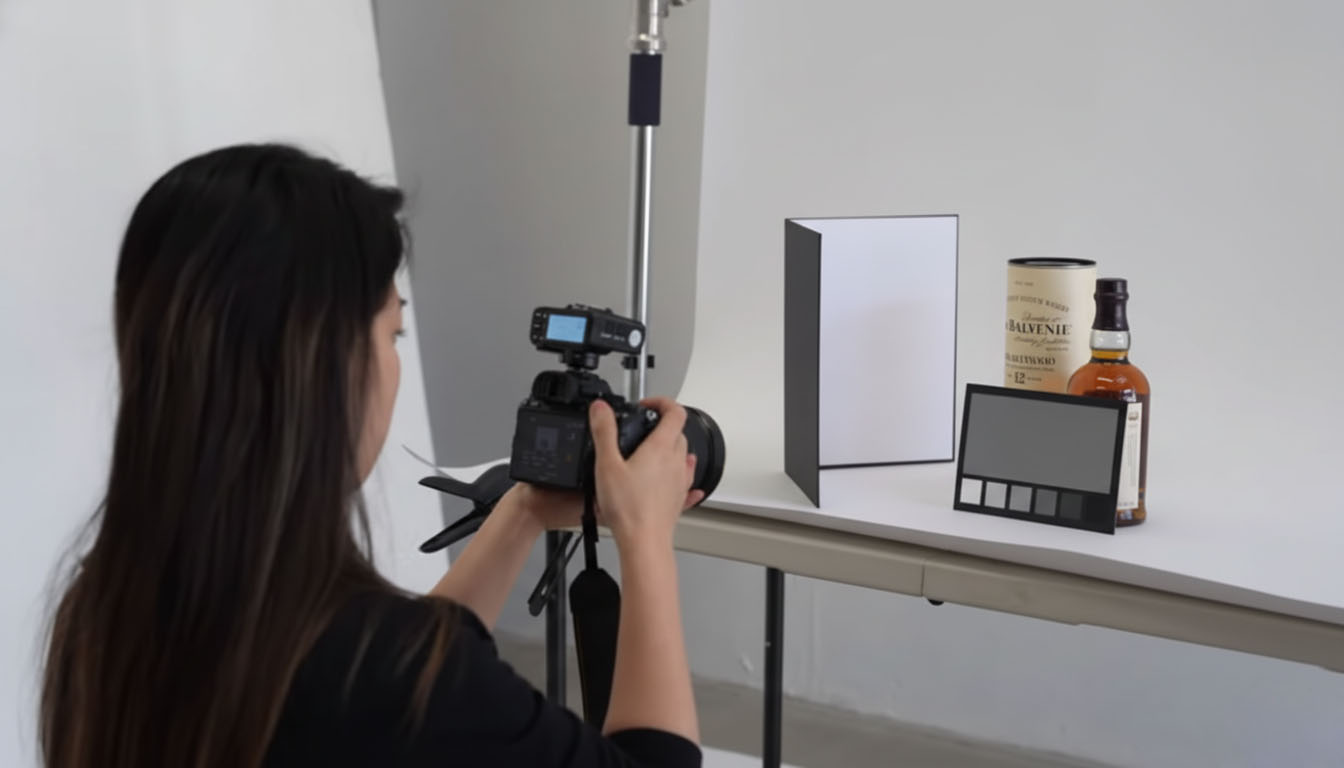
In the world of the competitive e-commerce landscape, compelling product photography plays a vital role in creating visually appealing and persuasive images of products. The year 2025 is no exception, and in fact, the competition has only become more intense. As a result, it’s more important than ever to follow the best practices of product photography to create high-quality images that catch the attention of potential customers and drive more sales.
From the composition and lighting to post-production finesse, it plays a vital role in shaping a brand’s visual identity. When executed with intention, product photography becomes a silent salesman, converting browsers into buyers with just a glance. The right approach to photography can elevate your product, build trust, and drive measurable results.
Let’s explore the key strategies that define successful product photography in 2025 and ensure your visuals work as hard as your business does.
What is Product Photography
Product photography, also known as e-commerce photography, is the practice of taking high-quality photos of products for digital platforms like websites and social media to promote the sale of products or services.
In the growing world of online shopping, strong product images are crucial; they showcase features, convey value, and influence buying decisions. Good visuals help brands stand out, build trust, and boost sales.
Types of Product Photography Should Have
Product photography is a cornerstone of effective branding and marketing. To stand out and convert, every brand should leverage key photography styles that showcase their products with clarity, consistency, and appeal.
1. E-Commerce Photography
E-commerce photography is essential for driving online sales, as it presents products in their most appealing and accurate form. Tools like background removers are invaluable in this process, helping create clean, distraction-free visuals.
The classic white-background image remains a standard in e-commerce because it directs full attention to the product, enhancing clarity and professionalism. By emphasizing aesthetic appeal and intricate details, this style of photography becomes a vital asset for any successful online store.
2. Lifestyle Product Photography
Lifestyle product photography offers a dynamic way to present products in real-world settings, allowing customers to visualize their use beyond the standard white background. This approach adds context, evokes emotion, and enhances brand storytelling.
Its versatility makes it ideal for use across various touch points from homepages and product pages to social media and digital campaigns creating a cohesive and engaging customer experience.
3. Flat Lay Photography
Flat-lay photography is a highly effective and visually engaging style, commonly used across social media and e-commerce platforms to present products in a curated, top-down view. By thoughtfully arranging items on a flat surface, this technique offers a clean, organized aesthetic that highlights product features and brand personality.
To elevate flat-lay compositions, it’s crucial to establish a cohesive color palette, incorporate complementary props, and introduce texture to add depth and visual interest.
4. Group Product Photography
Group product photography showcases multiple, thematically related items within a single frame, offering a cohesive visual narrative.
Whether used to highlight product bundles, promote special offers, or display variations of the same item, this approach enhances perceived value and encourages higher engagement by presenting complementary options together.
5. Lifestyle Shots
Lifestyle and contextual photography often overlap, but the difference is clear lifestyle shots feature people, adding emotion and relatability. While contextual images focus solely on the setting to tell the product’s story without the inclusion of human subjects.
6. White Background
White background photography is a staple across major e-commerce platforms such as Amazon, AliExpress, and eBay, often used for both single product images, packaging shots , advertising shots, detailed shots, and grouped shots. Its clean, distraction-free presentation ensures products remain the focal point, making it one of the most widely adopted styles in online retail.
Brands like Golde, known for their superfood self-care and wellness products, leverage this approach on their collection pages to create visual consistency and help shoppers easily compare and distinguish between items.
7. Mannequin Photos
For apparel brands, high-quality mannequin photography is essential. These images offer a realistic, three-dimensional view of garments, allowing customers to better visualize fit and form.
By simulating the way clothing appears when worn, mannequin shots enhance product presentation and play a key role in boosting consumer confidence and driving conversions particularly in the online retail space.
8. Macro Photography
Macro photography excels at revealing the fine details that standard product imagery often overlooks. Ideal for small, intricate items like jewelry and wristwatches, this technique highlights craftsmanship and texture, offering customers a closer, more compelling look at a product’s unique features.
9. Scale Shots
Scale photography provides essential visual context by showcasing products alongside familiar objects or within real-life scenarios. While written dimensions offer technical accuracy, scale shots help customers intuitively grasp size and proportion.
For example, displaying a teacup in someone’s hand instantly communicates its delicate, compact form, bridging the gap between product specs and shopper perception.
How Do You Take Product Photos?
While mastering product photography involves far more than a single guide (see the recommended courses below), the foundational planning process can be distilled high-level process as follows:
- What: Define exactly what you’re photographing, including the product, supporting props, models, backgrounds, and technical gear.
- Who: Identify all participants in the shoot, from photographers and stylists to lighting technicians, assistants, models, and clients.
- When: Establish not just a date and time, but a detailed shoot schedule. A clear timeline ensures coordination, efficiency, and that all deliverables are captured within the allotted time.
- Where: Confirm the shoot location and ensure all necessary people and materials are accounted for at that site.
- Why: Clarify the purpose of the shoot. Go beyond generic goals like “photos for Amazon” and aim for strategic outcomes, for example, “create 10 high-conversion images for our Amazon launch targeting first-time buyers in the wellness category.”
1. Use a Plain White Background
In product photography, the spotlight should remain firmly on the product itself, uncluttered and distraction-free. A clean white background is the industry standard for achieving this, offering a neutral canvas that enhances visual clarity and puts the product front and center.
Colored or patterned backdrops can easily compete with the subject, diminishing its impact and, in many cases, failing to meet the image requirements of major e-commerce platforms.
To maintain consistency and professionalism, tools like Photoshop’s background remover can be used to seamlessly eliminate distractions and replace them with a crisp white background, ensuring your product is presented in the best possible light.
2. Utilize Natural Lighting
In product photography, lighting, not the camera, is the true game-changer. Even without high-end gear, natural light can deliver excellent results; simply position your setup near a large window during peak daylight hours.
Aim for soft, even illumination, avoiding harsh shadows or blown-out highlights. Tools like white foam boards can help bounce light and reduce contrast. Mastering reflection control is equally important, especially with glossy or metallic items.
While a polished look is appealing, too much shine can obscure detail, while too little can make products appear flat. Striking the right balance ensures clarity, vibrancy, and visual appeal.
3. Consider Different Angles and Perspectives
Angles play a crucial yet often underestimated role in amazon product photography. Thoughtful positioning can dramatically enhance how a product is perceived, adding depth, interest, and dimension.
By exploring a variety of perspectives, you can better highlight the product’s size, form, and craftsmanship. Experimentation is key to capture multiple angles, then curate the shots that most effectively convey quality and visual appeal.
4. Use Props When Necessary
Strategic use of props in product photography can elevate visual storytelling and create a more immersive customer experience. While a clean white background keeps the focus on the product, thoughtfully chosen props add context, highlight functionality, and enhance overall aesthetic appeal.
From furniture and books to playful elements like balloons or origami, the right props help convey use, spark imagination, and connect with the viewer on a more personal level.
5. Capture Detail Shots
Detail shots are close-up images that spotlight a product’s finer features elements that often set it apart from competitors. Whether it’s the intricate clasp on a jewelry box or the stitching on a leather bag, these images capture craftsmanship and quality that might be missed in standard shots.
By emphasizing unique selling points, detail photography and comparative photography plays a key role in building trust and elevating perceived value.
6. Avoid Using Filters
While filters are widely used in photography, they’re best avoided in product imagery. Altering a product’s appearance can mislead potential buyers and erode trust.
Instead, focus on capturing clean, well-lit images that reflect the product’s true colors and details. Authenticity not only builds credibility but also enhances customer confidence in their purchase decisions.
7. Retouch Using Editing Software
Post-production is a vital step in delivering polished, professional product images. Through careful retouching such as color correction, lighting adjustments, and the removal of distractions you can enhance visual quality and maintain consistency across your website.
Though often time-consuming, this process elevates your photos, ensuring they meet the high standards expected in today’s competitive e-commerce landscape.
8. Optimize Your Product Photos For SEO
Optimizing product images for SEO is essential to boosting visibility and enhancing user experience. Focus on three key elements: file naming, image compression, and alt text.
Descriptive File Naming: Use clear, keyword-rich filenames that reflect the product—for example, “jane-crossbody-bag-red.jpg” instead of generic names like “image01.jpg.” This helps search engines index your images more accurately and improves discoverability.
Image Compression: Large, uncompressed files can slow down your site and frustrate users. Compress images to maintain quality while reducing load times, improving both user engagement and search rankings.
Alt Text: Alt attributes provide context for search engines and improve accessibility. Include relevant product keywords in your alt text to strengthen SEO without overstuffing.
Now it’s Time To Edit Your Product Photography
Ready to improve your product photography? Even stunning shots often require post-production refinements. Instead of navigating complex editing software yourself, consider outsourcing to experts who specialize in precision edits.
Whether it’s retouching fabric imperfections or creating clean white backgrounds for marketplace compliance, Path-your 24/7 virtual photo editing studio handles the details. So your visuals stay sharp, consistent, and conversion-ready.
Related Posts
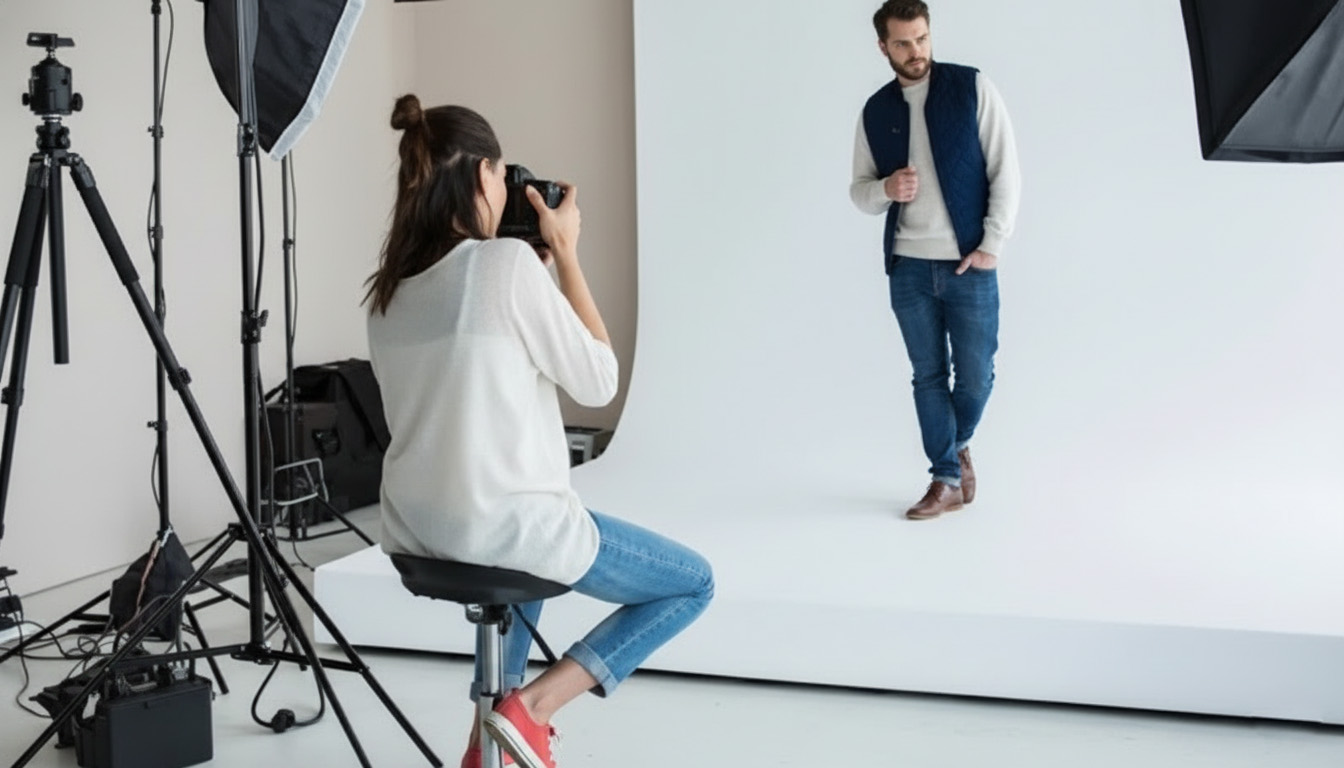
How to Get Photography Clients for Your Ecommerce Business in 2025
People naturally prefer visuals over text; it's faster, clearer, and…
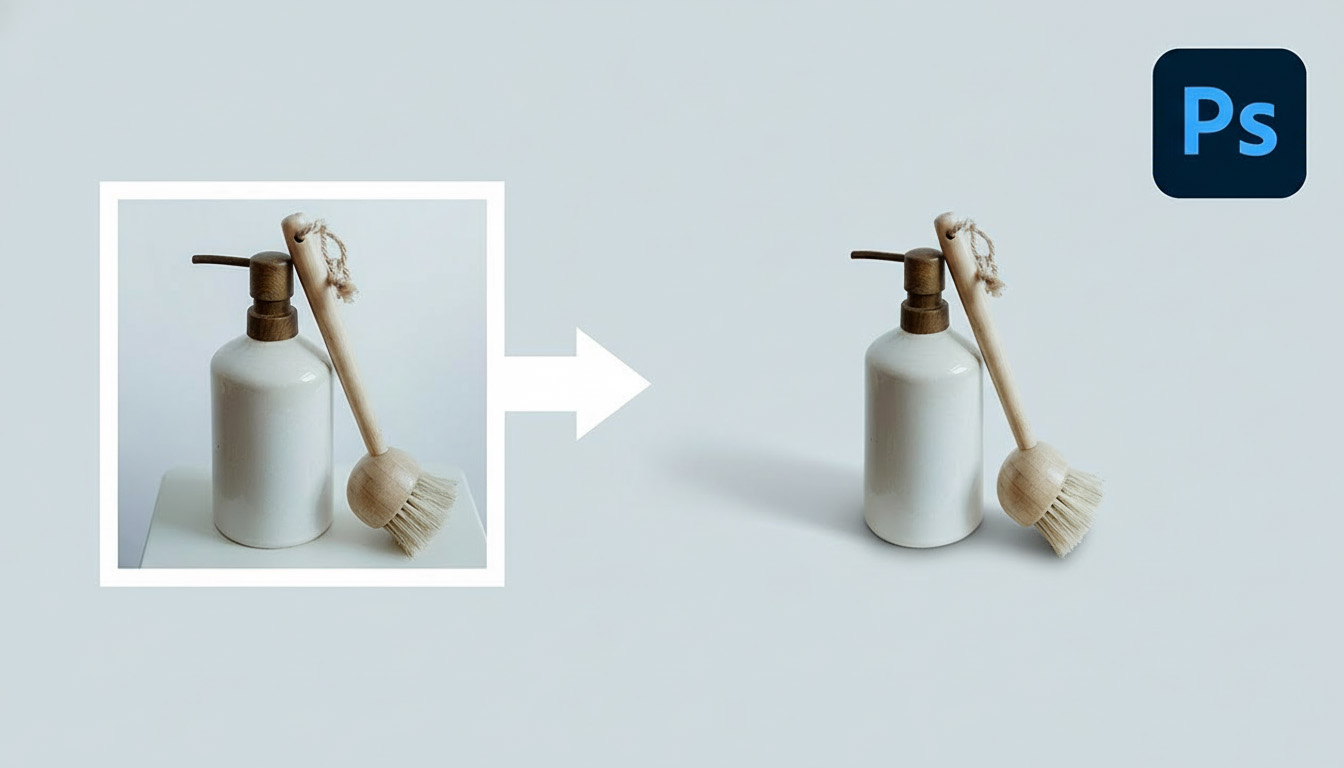
How to Improve Your Product Photography and Create Images That Sell
How to Improve Your Product Photography? [caption id="attachment_18013" align="alignnone" width="1344"]…