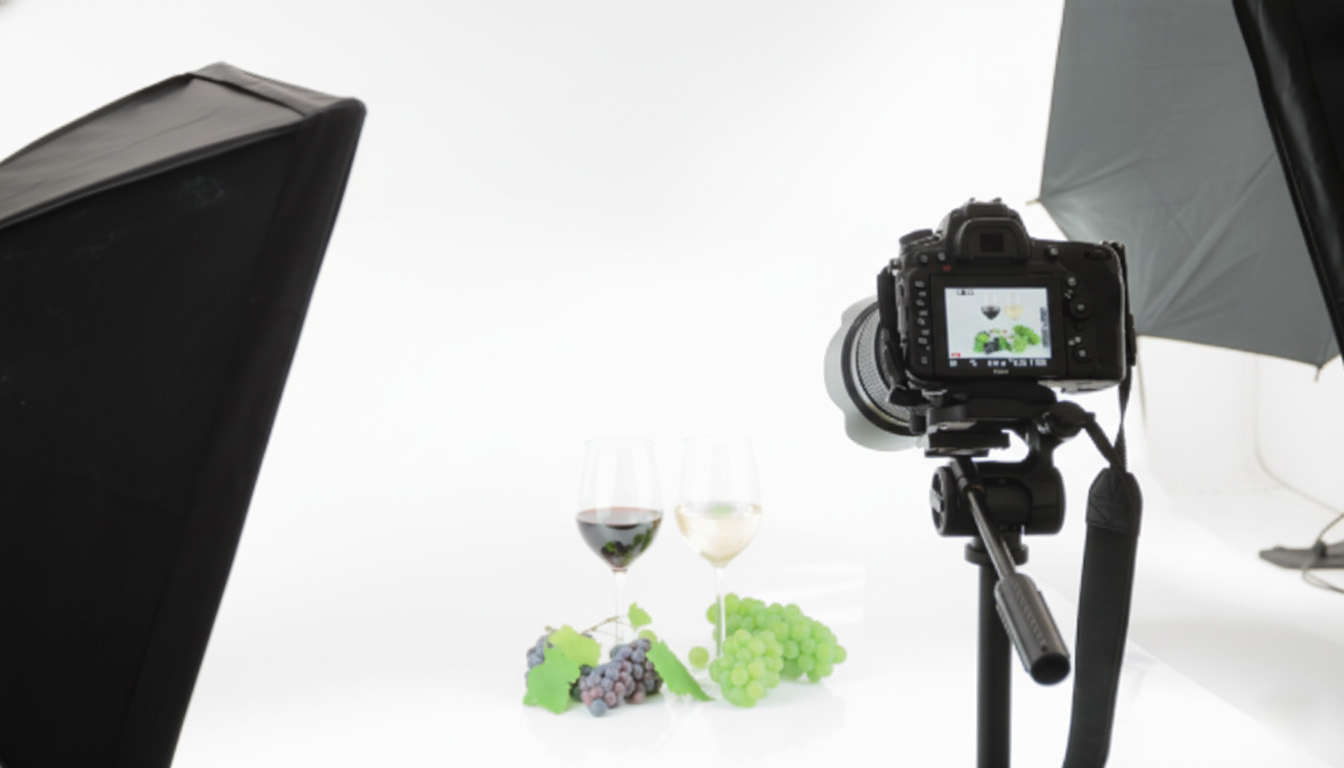
How to Improve Your Product Photography?
High-quality product photography plays a crucial role in influencing online purchasing decisions. If you’re taking the DIY approach, these quick tips will help you capture polished, professional-looking images that truly highlight your products.
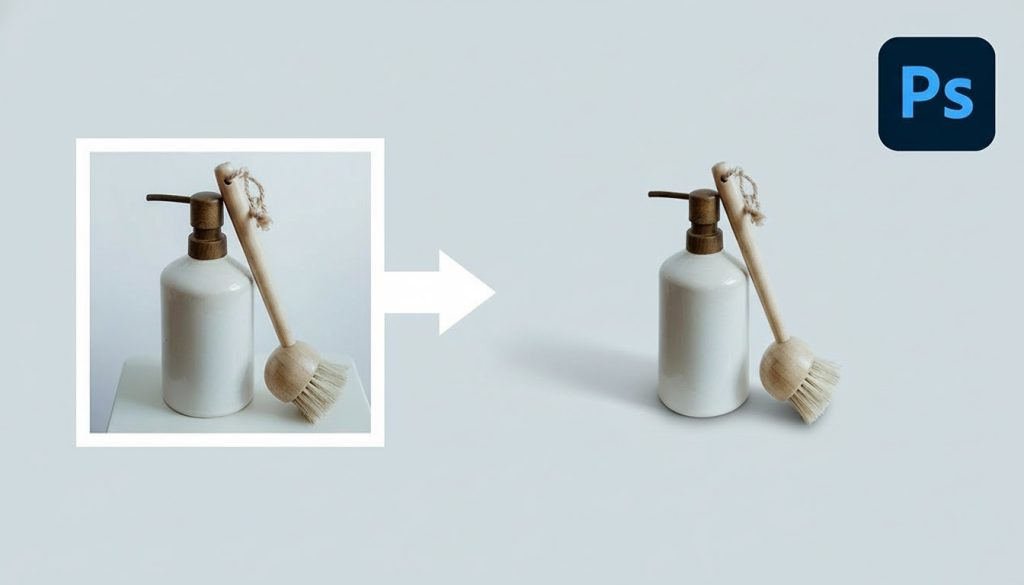
According to a survey conducted by Etsy, 90% of buyers indicated that the quality of a product’s photo is “extremely important” or “very important” in influencing their purchase decisions. In fact, product images hold more weight than reviews, descriptions, or any other factor. It’s often the photo that convinces a customer to click “buy” or walk away.
This highlights just how essential high-quality product photography is in today’s competitive online marketplace. Poor visuals can result in significant lost revenue, potentially costing your business thousands in missed sales opportunities.
The encouraging news? Elevating your product photography doesn’t require expensive gear or professional studios. With a few strategic techniques, you can quickly, affordably, and effectively enhance the visual appeal of your images.
Think about the product and the audience
Great product photography starts well before the camera is in hand. As commercial photographer Kemp Davis notes, “Many self-proclaimed product photographers fail to truly understand the product. Before capturing an image, you must first ask, ‘Who is the target audience?’” Gaining a clear understanding of your ideal customer, their preferences, needs, and motivations. Allows you to present the product in a way that resonates visually and emotionally.
Explore your product from multiple angles and viewpoints. Leading fashion and eCommerce platforms often feature up to eight images per item, offering a well-rounded view of the product. Aim to create a one-for-one, really great main image, and remember to try different perspectives as well. A single detail could be the key to capturing a buyer’s attention.
When it comes to equipment, the best camera is often the one you already have. While professional DSLR gear is valuable, modern smartphones boast powerful camera technology that can produce high-quality results. With thoughtful composition and proper lighting, you can achieve professional-grade product photos using just your phone.
Last thing, avoid creating flat or uninspired visuals. Depending on your brand, target market, and sales platform, incorporating lifestyle elements such as models or minimal props can significantly enhance perceived value. These subtle additions can elevate your product presentation, making it feel premium, desirable, and tailored to your audience.
Start off on the right foot
Choosing the right lens is essential for capturing sharp, compelling product images. For close-up shots that showcase intricate details, consider investing in a macro lens. In contrast, your photos may be viewed on small mobile screens. They’re just as likely to appear on high-resolution monitors, making clarity and precision in the details absolutely critical.
For standard product photography, use a “normal” lens, typically 40-58mm. This range closely mirrors the natural perspective of the human eye, ensuring your images appear balanced and distortion-free. A popular choice among photographers is the 50mm f/1.8, often called the “nifty fifty.” Affordable, lightweight, and remarkably versatile, it’s an excellent all-around lens for product shoots.
Before you begin photographing, take the time to perfect your setup. Attention to detail at this stage can significantly reduce the need for post-production editing. A quick inspection for dust, fingerprints, or surface imperfections on your product or background can save hours of retouching later. As the saying goes, “an ounce of prevention is worth a pound of cure,” and in photography, a clean, well-prepared set makes all the difference.
Here are a few essential tools that can help you improve your product photography skills and quality.
1. A camera or a smartphone for product photography
The foundation of great product photography begins with the correct imaging device that captures high-quality images of your products. While a high-end DSLR camera is an excellent option, it’s not a necessity. Many modern smartphones with a good camera and some editing apps can also do the job. The real key lies in mastering your device’s features, such as focus, exposure, and white balance, to ensure your photos are sharp, well-lit, and consistent.
2. A tripod or a stabilizer
The second essential tool is a stable support for your camera or smartphone to ensure sharp, blur-free images. This can prevent the clarity and professionalism of your product photos. A tripod or stabilizer not only helps eliminate camera shake but also allows for precise control over angles, height, and composition. Additionally, it frees up your hands to adjust lighting, arrange props, or fine-tune product placement. There are a variety of affordable, portable options available both online and in local stores, making it easy to find a solution that fits your needs and budget.
3. A light source or a reflector
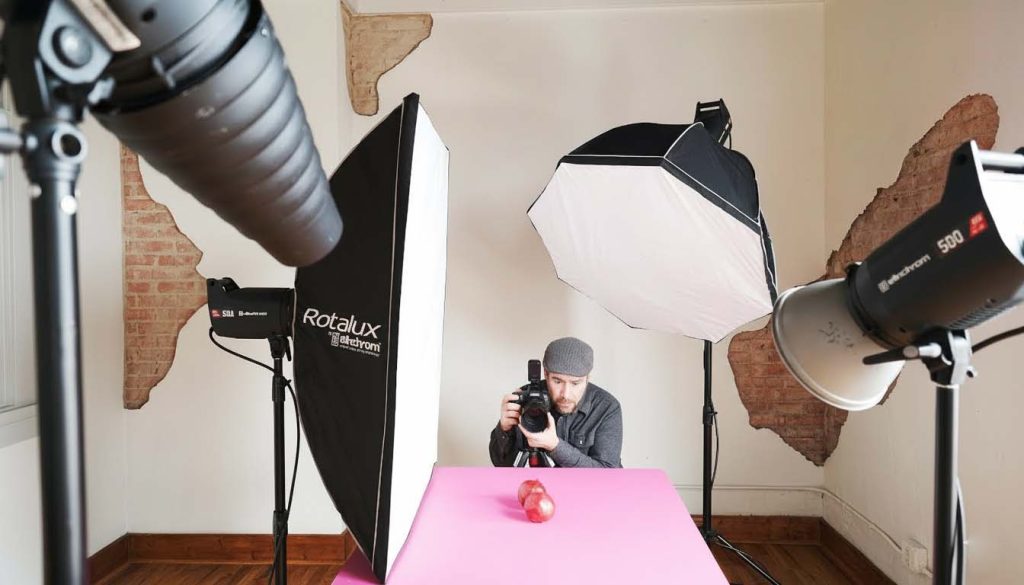
The third essential tool in your product photography toolkit is adequate lighting. Lighting plays a pivotal role in shaping how your products are perceived. It enhances color accuracy, reveals texture, and brings out fine details that can influence a buyer’s decision. Whether you’re using natural light from a window, a desk lamp, or an external flash, the goal is to create soft, even illumination that flatters the product without introducing harsh shadows or glare.
Reflectors such as white foam boards, mirrors, or even aluminum foil can help bounce light strategically, reducing contrast and filling in darker areas. Most importantly, choose lighting that complements your product’s tone and aesthetic to create a cohesive visual experience.
4. A background or a backdrop
The fourth essential tool is a clean, minimal backdrop that enhances your product’s presentation. A well-chosen background not only draws attention to your product but also contributes to a polished, cohesive visual identity across your catalog. Whether it’s a plain wall, a tabletop, a seamless sheet, or professional backdrop paper, the key is to select colors and textures that complement rather than compete with your product. A neutral, uncluttered background ensures your item remains the focal point, while maintaining a consistent aesthetic that reinforces your brand’s professionalism and style.
5. A prop or a model for product photography
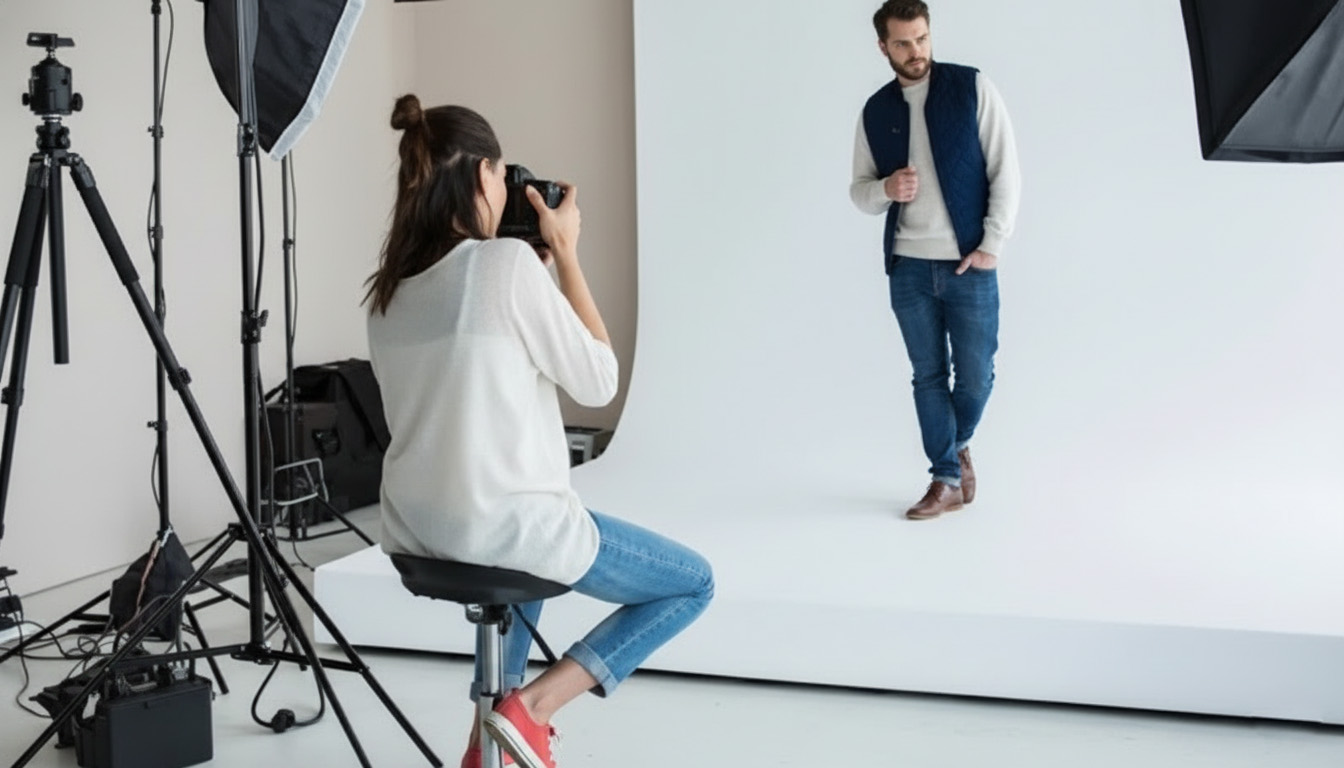
The fifth valuable tool is an element that adds context, depth, and relatability to your product presentation. Props or models can help your potential customers visualize how your product fits into their daily lives. It can also help you showcase the features, benefits, and value of your products. Whether it’s an accessory, a plant, a book, or a person, the goal is to highlight the product’s use, scale, and appeal in a natural, engaging way. These additions can emphasize key features and convey the product’s value more effectively. However, it’s essential to choose props or models that align with your brand and resonate with your target audience.
6. A software or an app
The sixth essential tool is reliable photo editing software to refine and elevate your product images. Post-processing allows you to make key adjustments such as cropping, resizing, correcting exposure, enhancing color, and applying subtle filters to ensure your photos are polished and professional. It also provides an opportunity to correct minor imperfections that may have occurred during the shoot. Popular tools like Adobe Photoshop, Lightroom, Snapseed, and VSCO offer a range of features suited for both beginners and advanced users. The key is to choose a platform that is easy and convenient to use, with a light editing touch that enhances your images without compromising authenticity for your audience.
7. Colors of product photography
Color plays a pivotal role in the visual impact and emotional appeal of your product photography. Strategic use of color can create contrast to draw attention or harmony to convey a cohesive, sophisticated look, depending on the effect you want to achieve. Thoughtfully selected colors not only enhance the aesthetic but can also influence perception, trigger emotional responses, and strengthen the connection with your target audience. By choosing a palette that complements your product and aligns with your brand. You can ensure your visuals are both striking and memorable.
Make editing clean and clear
If you are serious about your own product photography, be prepared to shoot frequently and edit decisively. The more you experiment with angles, lighting setups, and techniques, the more you’ll develop your eye and the stronger your final images will become. Like any creative process, improvement comes with repetition and refinement.
Not every shot will be a success, and that’s perfectly normal. Embrace the process of taking hundreds of photos and culling the ones that don’t meet your standards. It’s far better to discard a thousand mediocre images and walk away with a handful of outstanding ones than to settle for average results from a limited shoot.
When editing, avoid heavy-handed filters or trendy effects that undermine your product’s integrity. Whether you’re working in Photoshop, Lightroom, GIMP, or a mobile app, your goal should be to produce clean, color-accurate images that accurately reflect your product. Keep whites crisp, colors true-to-life, and details sharp. Consistency and professionalism should guide your post-processing approach.
And if editing isn’t your strength or you don’t have the time to fine-tune every image, consider outsourcing the task. Services like Grasigner offer professional editing support tailored to your needs, allowing you to focus on what you do best while ensuring your photos meet a high visual standard.
Final Thoughts
Improving your product photography is not about owning the most expensive equipment—it’s about understanding your product, knowing your audience, and applying innovative, consistent techniques at every stage of the process. From thoughtful planning and proper lighting to clean backgrounds and subtle editing, each step contributes to creating images that build trust and drive purchasing decisions.
As today’s buyers rely heavily on visuals, investing time and care into your product photos is no longer optional—it’s essential. High-quality images communicate value, professionalism, and credibility, helping your brand stand out in a crowded e-commerce marketplace. Even minor improvements in composition, lighting, or color accuracy can lead to noticeable increases in engagement and conversions.
If you’ve mastered shooting but find editing time-consuming or challenging, partnering with a professional image editing company can be a smart move. GRASIGNER provides all kinds of image editing services, including background removal, product retouching, color correction, shadow creation, and more—ensuring your images look clean, consistent, and sales-ready. With expert support, you can save time, maintain quality, and present your products at their absolute best.
In the end, great product photography is a powerful blend of creativity, strategy, and precision. Whether you handle everything in-house or collaborate with professionals like GRASIGNER, the goal remains the same: create compelling visuals that attract attention, build confidence, and convert viewers into loyal customers.
Related Posts

The Ultimate Guide to eCommerce Product Photography in 2025
In the booming world of online retail, product photography is…
How to Get Photography Clients for Your Ecommerce Business in 2025
People naturally prefer visuals over text; it's faster, clearer, and…