Imagine starting 30 years ago starting a business, adopting strategy, promoting – weren’t easy at all. Today, the internet has changed the game. With digital access across all sectors, launching and growing an online business is not just easier, it’s thriving.
However, this growth brings with it intensified competition. The digital marketplace is saturated, and businesses are constantly vying for consumer attention. To stay ahead, online marketers are evolving their strategies, refining their messaging, and seeking innovative ways to stand out.
One of the most powerful tools in this competitive space is a well-crafted product description. With the right words, you don’t just inform; you inspire, connect, and convert curious visitors into loyal customers.
Authenticity is key. Your product descriptions should not only be compelling but also honest and reflective of the actual value your product offers. Consumers are quick to sense exaggeration, and trust is a currency you can’t afford to lose.
There’s some guidelines to follow when it comes to writing product descriptions that convert. In the following section, we’ll guide you through essential tips and techniques to help you craft product descriptions that resonate and sell.
What is a product description?
A product description is a clear and compelling summary of an item featured in an online store. It provides potential customers with key information highlighting features, technical details, functions, benefits, and how the product addresses specific needs or problems.
Commonly found on e-commerce platforms, product descriptions play a vital role in listings. As a strategic piece of marketing content, they don’t just inform their influence. A well-crafted description can attract more buyers, build trust, and ultimately drive sales.
Why is it important to write the product description of a product?
When 87% of consumers consider product descriptions a key factor in their purchase decisions, overlooking them isn’t just risky – it’s self-sabotage.
To achieve your strategic goals, every part of your product listing must be clear, complete, and compelling from the start. Specifically, your product descriptions should be written with precision to ensure potential buyers easily understand your message.
This isn’t about numerous benefits – it’s about clarity that converts. The more your audience connects with the description, the higher the chances of turning interest into sales. That’s why we’re diving into the real value behind effective product descriptions.
Below, we’ve highlighted the most impactful benefits of well-crafted descriptions. Let’s take a look-
Create authenticism
The more detailed and specific your product information, the easier it is for your customers to understand what the product offers and how it benefits them. Clear, concise specifications not only guide potential buyers but also serve as a valuable reference for returning customers.
By providing authentic information, you build trust and empower your audience to make confident, informed decisions.
Add professional look
A well-crafted product description does more than showcase the item; it reflects your brand’s credibility. In a market where many products share similar features, buyers are naturally attracted to brands that offer straightforward, informative content. When you provide meaningful product insights, customers perceive your brand as trustworthy, responsible, and committed to quality.
Grow trustworthiness
What does a product description represent to a customer? It’s more than just information, it’s a strategic way to communicate your value. By embedding facts, benefits, and purpose into your description, you guide potential buyers toward recognizing your product as the ideal solution. You’re not just selling a product, you’re building trust through every word.
Bridge between brand and buyers
An effective product description serves as a bridge between your brand and potential buyers. It informs new customers, improves product understanding, and reinforces brand recognition among returning ones. In essence, it turns curiosity into awareness and awareness into a lasting brand in the mind.
Stand yourself out
The more detailed your product description, the stronger your advantage in the competitive world of online marketing. While others compete for attention, a clear and well-articulated description sets you apart. It shows potential customers that you understand their needs and have the right solution to offer.
Rank your online shop up
When your products are optimized to appear in search results, the product description becomes a key player. A well-written description not only builds trust with potential customers but also strengthens your visibility on platforms like Google boosting both credibility and rankings.
Now that you understand the value of compelling product copy. Let’s explore how to craft one that truly converts.
How to write a good product description That Sells
A few months ago, our research team conducted a study on various soap bars available in the market. They figured out that several products lacked any form of description. And, as expected, those were not getting in sales compared to similar items with well-crafted descriptions.
This observation sparked an important realization: many businesses may not fully understand what makes an effective product description.
Motivated by that insight, I began gathering data, focusing on consumer expectations and preferences. The result? A clear understanding of the key elements customers look for in a product description.
Tell About Your Product
The first step you need to take is to tell people about your product. Think of it as telling the story behind its creation, engaging your audience with purpose and personality. Using key “Wh” questions can help structure this narrative and give your customers the clarity they’re looking for. Let me show you how it’s done.
Take a pair of sneakers, for instance. So, the questions I want you to answer are-
Why do people need them?
What are the specialties, features, and benefits of your product?
What materials are used?
How is it different from the established brands like Nike, Puma, or Adidas?
Which age group of people are you targeting?
Are there any color variations?
How long can people wear them?
Target on Your Ideal Customer
As Seth Godin said, “Everyone is not your customer.” And he’s absolutely right.
Every product serves a specific audience—and so does yours. Start by clearly identifying the category your product belongs to, then understand the customer base it naturally appeals to.
You should take time to study your ideal buyer’s characteristics, preferences, and environment. These insights are crucial, as they guide your strategy and ultimately drive meaningful conversions.
Here’s a more detailed breakdown of points to consider when defining your ideal client:
Who is your core audience?
What’s their age range?
Where do they live?
What drives them to buy these products?
Are they male/female?
What’s their income level?
By carefully analyzing your target audience’s traits, needs, and preferences, you can ensure your product description includes what will attract them.
Use Eye Catchy Product Images
A key writing principle, “Show, don’t tell,” literally means using images for your product.
Images often speak louder than words. Take, for example, a company selling electric massage chairs: by showcasing a picture of the remote control, they effectively demonstrate the chair’s functions.
When it comes to using images for your product, there is no time to cut corners. In fact, 63% of consumers prioritize images when making purchasing decisions. Ensure your visuals are not only high-quality but also visually compelling. Utilize various angles, lifestyle shots, and even infographics to provide a comprehensive view.
Since online shopping doesn’t allow customers to touch or test products in person, your images are the closest thing to a real-life experience. High-quality images instill confidence, while poor ones can leave a negative impression.
If you don’t have professional photos, consider investing in post-production services. Many agencies specialize in photo editing, delivering polished, professional images that enhance your product’s appeal.
Describe in a Brief and Alluring Way
While your product’s manufacturing process may involve a range of details you’d like to share. It is essential to keep the description concise. Customers aren’t looking for an essay; they want the key information.
Most buyers skim product descriptions, so it’s crucial to present the essential features in a clear, digestible format. Use bullet points or short paragraphs to highlight the standout qualities that will capture your customers’ attention and provide them with the essential details they need.
Add Product Benefits
In Nonstop Sales Boom, Colleen Francis, President of Engage Selling Solutions, captures the essence of customer behavior:
“Customers…only care about value and achieving their objectives.”
Simply put, customers are drawn to the benefits your product delivers. As a business owner, you know their expectations are high, so start by emphasizing what they gain from your product.
Rather than listing every benefit, focus on the key ones. For example, if selling a carbonated drink in a hot climate like Arizona, would “Stay hydrated” speak more than “Tastes good”?
Use the five senses – sight, sound, smell, touch, and taste to make the product feel real. Then, clearly showcase how your product addresses their needs and provides value.
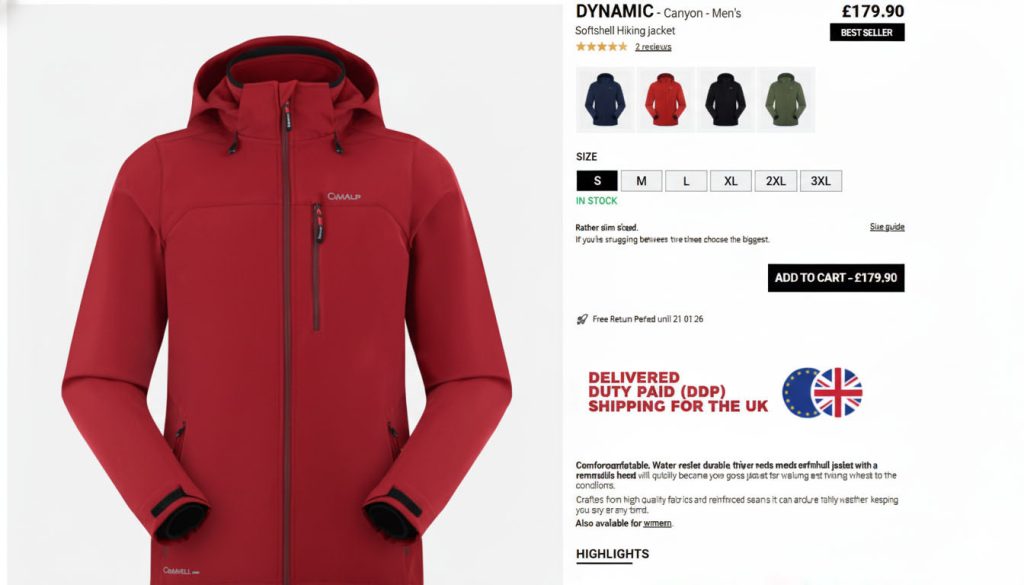
Look at Oakley’s approach: they break down their descriptions into sections and highlight unique features, such as “Technologies Included,” making it clear why their product stands out.
Use the Voice of Your Brand
How does your brand communicate its product? Is the tone professional or casual? Does it resonate with your audience, or does it feel distant?
It’s essential to maintain your brand’s voice in your product descriptions. While the style may vary, the core tone should remain consistent. By experimenting with different versions of your copy, you can determine which one best engages your target audience.
When crafting your message, consider factors such as the product’s nature and purpose, as well as the emotions it evokes in your customers. For example, the tone for describing a refreshing cold beverage will differ significantly from that for a cleaner, even though both are liquid products.
Be Reasonable With Superlatives
When describing a product’s capabilities, many manufacturers resort to superlatives. While this can be effective, simply stating “the best” is not enough you must provide clear reasons that justify the claim, or it may come across as empty exaggeration.
Take, for example, a pain-relieving ointment. The description uses the superlative “fast and long-lasting” and reinforces it by detailing the benefits, including relief from inflammation, joint pain, stiffness, sprains, and sciatica.
Superlatives are meant to compare and highlight the product’s advantages indirectly. However, to avoid sounding disingenuous, ensure that the benefits you list effectively support the claim. If the features don’t align with the superlative terms like “best,” “strongest,” or “easiest,” your message may appear unsubstantiated.
Appeal to Your Clients’ Imagination
While online shopping offers many conveniences, it also comes with the challenge of not being able to touch or experience the products on display physically. However, with the right choice of words, you can spark your potential customers’ curiosity and inspire them to explore your product further.
Marketers employ various techniques to achieve this, from storytelling and personification to using sensory language that evokes emotion and imagination.
Take, for example, a light fixture in its product description. It’s not just about the technical details; it’s about creating a mental image. The description allows readers to envision the warm, cozy ambiance the light will bring to their room.
How can you apply this approach to your own product? Use evocative language to help potential customers imagine what it would feel like to own your product, fostering a sense of connection and desire.
Always Write Unique Description
Every product has its own identity. While products in the same category may share common ingredients, their purpose often varies. To stand out, ensure your product description highlights the unique value it provides. Using realistic language, exaggeration and unrealistic claims rarely build trust. Misleading promises are a surefire way to lose credibility.
However, strategic use of persuasive words can make a difference. Words like amazing, limited, exclusive, and hurry create a sense of urgency and desire, encouraging potential customers to act quickly. If relevant, incorporate these into your descriptions to drive engagement.
To further uniqueness your product, consider adding social proof. Reviews, testimonials, celebrity endorsements, or certifications all serve as powerful tools that validate your product’s quality. These works not only build credibility but also stimulate the potential buyers to confirm a certain matter is correct.
Description Optimize for Search Engines
Now it is time to assess whether your product description is fully optimized for SEO. I have broken down the optimization process into 2 key steps:
Content
When crafting a compelling product description for your online store, it’s essential to optimize SEO. Your content must be optimized to rank well in search engines. The process begins with effective keyword placement into your product page and content, you can significantly improve your search rankings.
For example, when I searched for a waterproof Polaroid camera on Amazon, this particular product was the first to appear.
When you do eCommerce product description includes keywords (targeted keywords, long-tail keywords, and short keywords) effectively, Google will recognize and validate your product page. Making it easier for potential customers to find your offerings. While this strategy may not guarantee instant results, it is undeniably more impactful than taking no action at all.
A well-crafted product description alone won’t significantly boost sales in the face of intense online competition. It’s essential to ensure that both your content and images are fully optimized for maximum impact.
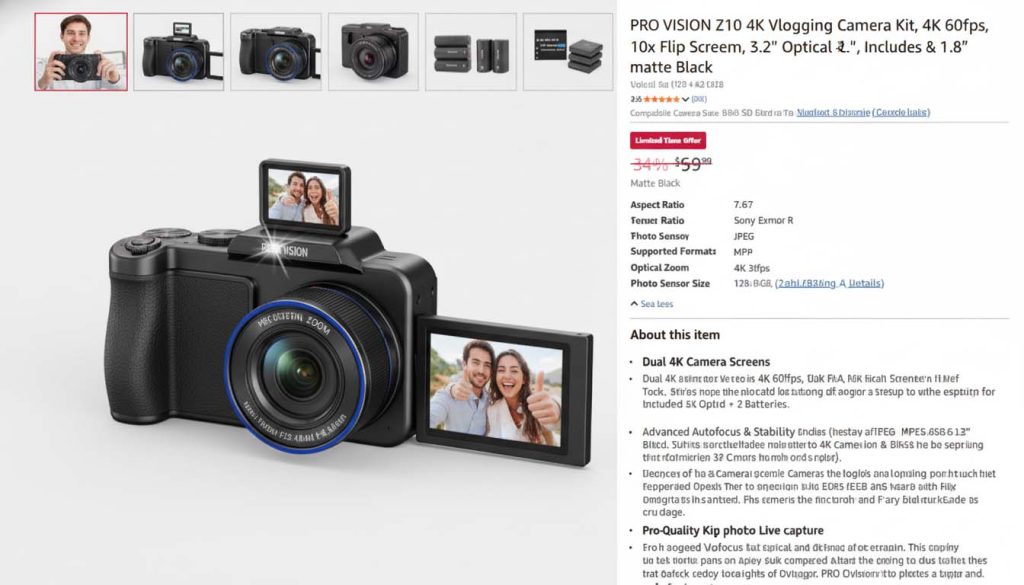
Let me reiterate: high-quality images are indispensable. Since online shoppers can’t physically interact with the product, your images serve as the primary tool to ease their uncertainty. They need to accurately represent your product and its key features.
However, it’s important to remember that large, high-quality images can take time to load, and online shoppers are notoriously impatient. Slow loading times may cause potential customers to abandon their search.
Your images should be optimized for fast loading and must clearly showcase the product’s features at the correct scale, ensuring visibility across all devices. If necessary, consider professional photo editing services to boost your visuals.
For complex products, then you can add a video demonstrating to potential buyers effectively.
Split Testing for Product Description
Once you have refined your product copy with the necessary adjustments. It’s time to conduct a split test also known as A/B testing, bucket testing, or multivariate testing.
Split testing is a valuable marketing research technique used to understand customer preferences. The approach involves creating two versions of a variable and evaluating which one resonates more effectively with your audience.
E-commerce businesses often employ this method to compare elements like web pages, advertisements, emails, pop-ups, or hero images in order to identify which version delivers the best results. This strategy also extends to testing product description pages.
During the testing process, every detail matters: word choice, structure, length, images, and optimization. Such testing has consistently shown to improve business conversion rates, offering valuable insights that help refine your approach.
Related Posts
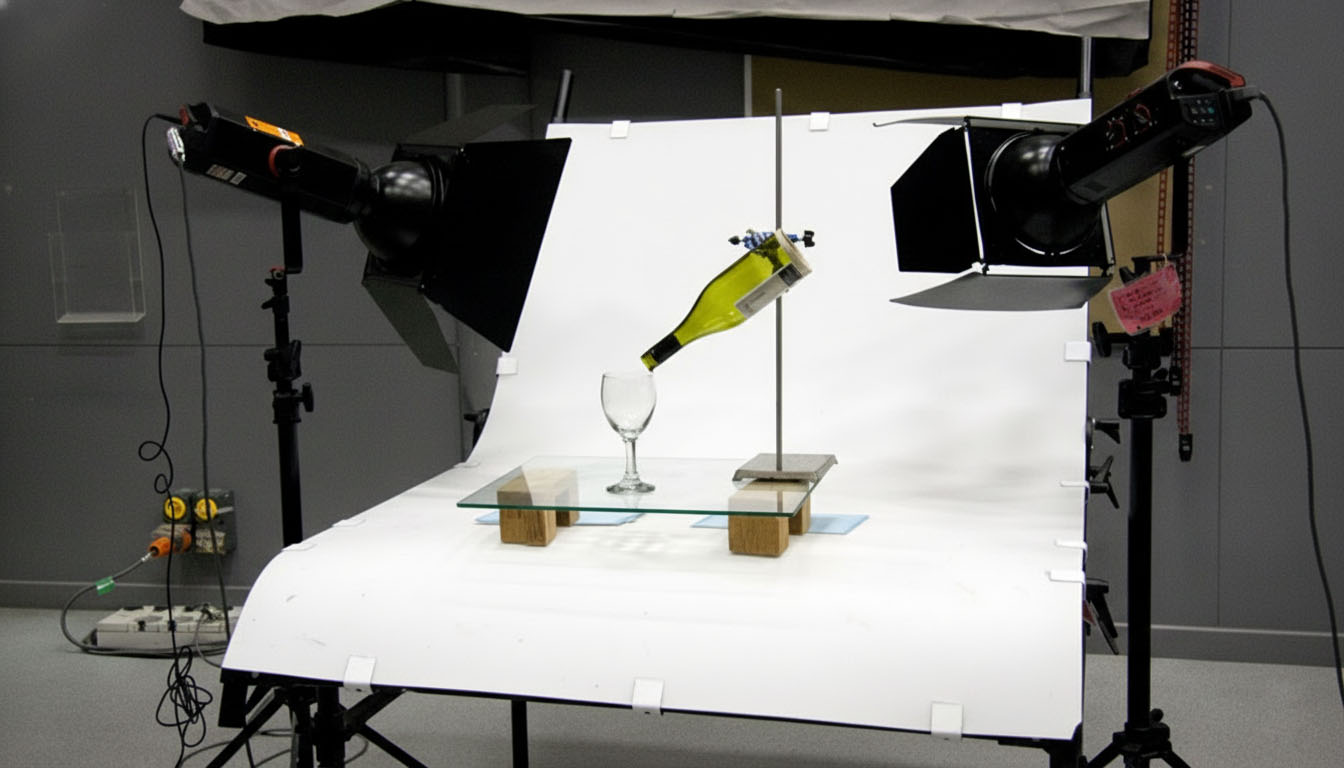
How to Optimize Your Own Ecommerce Photography Studio? The Complete Guide
Ecommerce product photography refers to capturing images of items sold…
Product Photography Best Practices For Beginners In 2025
In the world of the competitive e-commerce landscape, compelling product…