What is Outsourced Photo Editing?
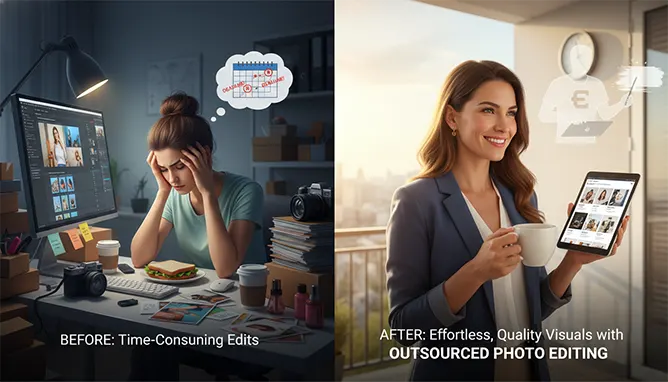
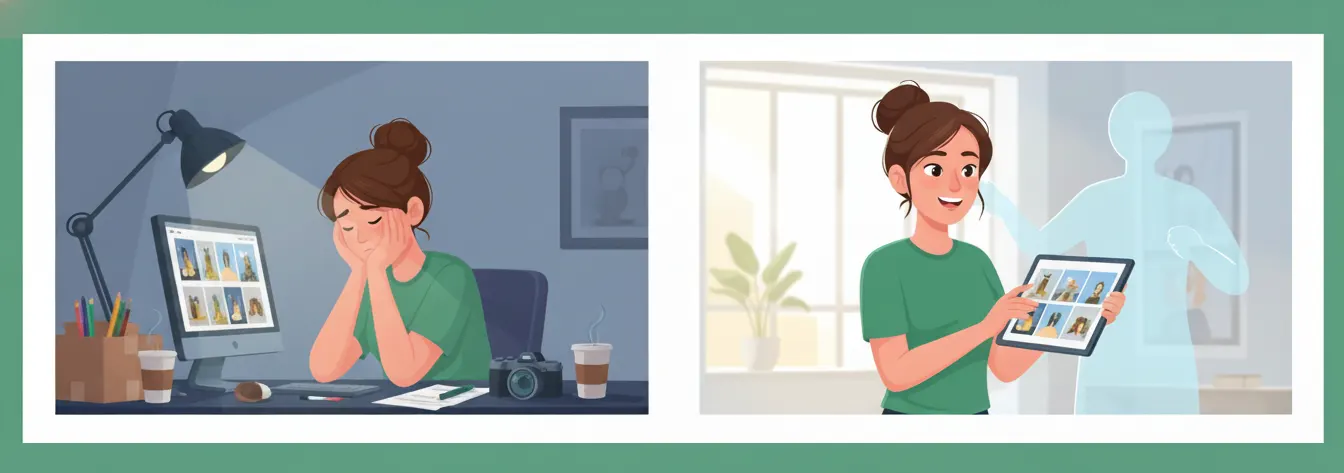
Imagine this – your online store is constantly getting new products. You’ve taken the photos, but they’re not quite ready for your website or social media. You barely have time to edit them all yourself. This is where outsourced photo editing comes in a smart solution where skilled professionals retouch and enhance your images, then deliver them back on time.
Whether you’re an e-commerce business owner, a photographer, or a social media influencer, this service becomes like an invisible assistant, helping you save time while maintaining top-notch visual quality.
Why Do You Outsource eCommerce Photo Editing?
Companies and e-commerce entrepreneurs outsource product photo editing to reduce costs and save time, while also improving operational efficiency. This approach enhances business flexibility and agility, playing a key role in transforming startups into sustainable brands.
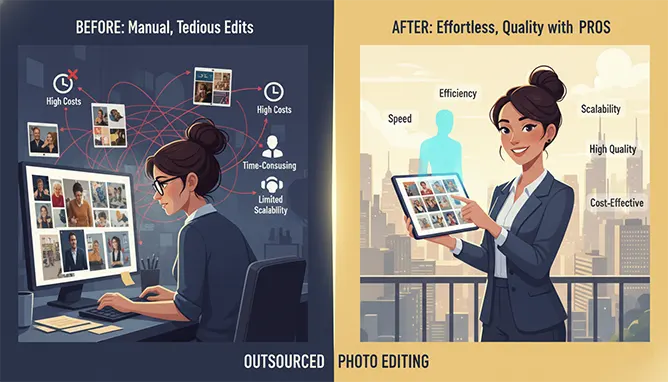
Efficiency, speed, scalability, high quality, and cost-effective solutions—these five core advantages make outsourcing highly attractive in the e-commerce sector. Since most product image editing tasks are standardized and repetitive, they are perfectly suited for an outsourcing model.
Lighting adjustments, background enhancements, shadow refinement, or perspective correction each element tells a unique story about the product. Not only does it create a premium look, but it also helps build trust and confidence among customers.
The Benefits of Outsourcing Photo Editing Services
Outsourcing photo editing provides businesses and entrepreneurs with a competitive edge by delivering access to expert professionals, accelerated turnaround times, significant cost efficiencies, and flexible scalability all while optimizing time and resource allocation.
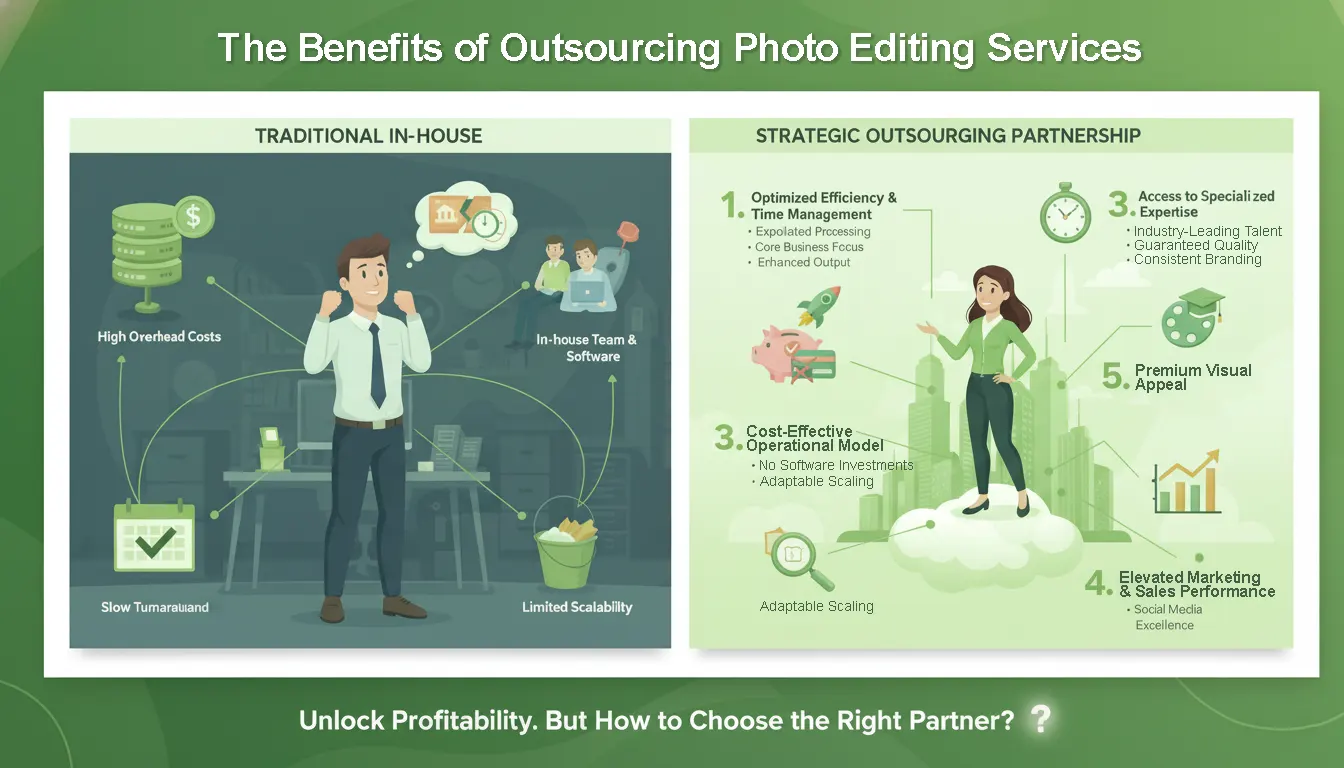
Here’s The Benefits of Professional Photo Editing Outsourcing:
1. Optimized Efficiency & Time Management
Expedited Processing: Leverage rapid editing workflows to meet tight deadlines and dynamic market demands.
Core Business Focus: Redirect internal resources toward strategic priorities like marketing, sales, and innovation.
Enhanced Output: Maintain seamless productivity while handling high-volume image processing without sacrificing quality.
2. Cost-Effective Operational Model
Reduced Overhead: Eliminate the financial burden of in-house teams by paying only for services rendered.
No Software Investments: Avoid costly licensing fees and maintenance expenses for editing tools.
Adaptable Scaling: Effortlessly adjust editing capacity based on project scope, preventing resource mismanagement.
3. Access to Specialized Expertise
Industry-Leading Talent: Partner with skilled editors proficient in advanced retouching, color grading, and compositing.
Guaranteed Quality: Ensure flawless, publication-ready visuals that elevate brand perception.
Consistent Branding: Achieve a uniform aesthetic across all imagery for cohesive brand storytelling.
4 .Elevated Marketing & Sales Performance
Premium Visual Appeal: High-impact visuals increase conversion rates and customer engagement.
Brand Credibility: Professionally enhanced images reinforce trust and professionalism.
Social Media Excellence: Stand out with polished, share-worthy content optimized for digital platforms.
Partnering with a reputable photo editing agency can significantly enhance your profitability. However, a critical question arises: Do all Photoshop editing companies truly deliver high-quality results? And more importantly, how can you identify trustworthy providers for your online business? Let’s explore these questions in the following section.
How Do You Outsource Photoshop Editing for Ecommerce Product Image?
Now that you recognize the value of outsourcing photo editing as a strategic move to elevate sales and accelerate business growth, let’s explore a step-by-step approach to finding the right editing partner for your eCommerce brand.
1. Identify Your Required Level of Editing
Before seeking a professional editing service, clarify the type of edits your product images require. This ensures you find a provider with the right specialization. Common services include:
Clipping Path: Ideal for isolating products from backgrounds, perfect for marketplaces like Amazon or your own website.
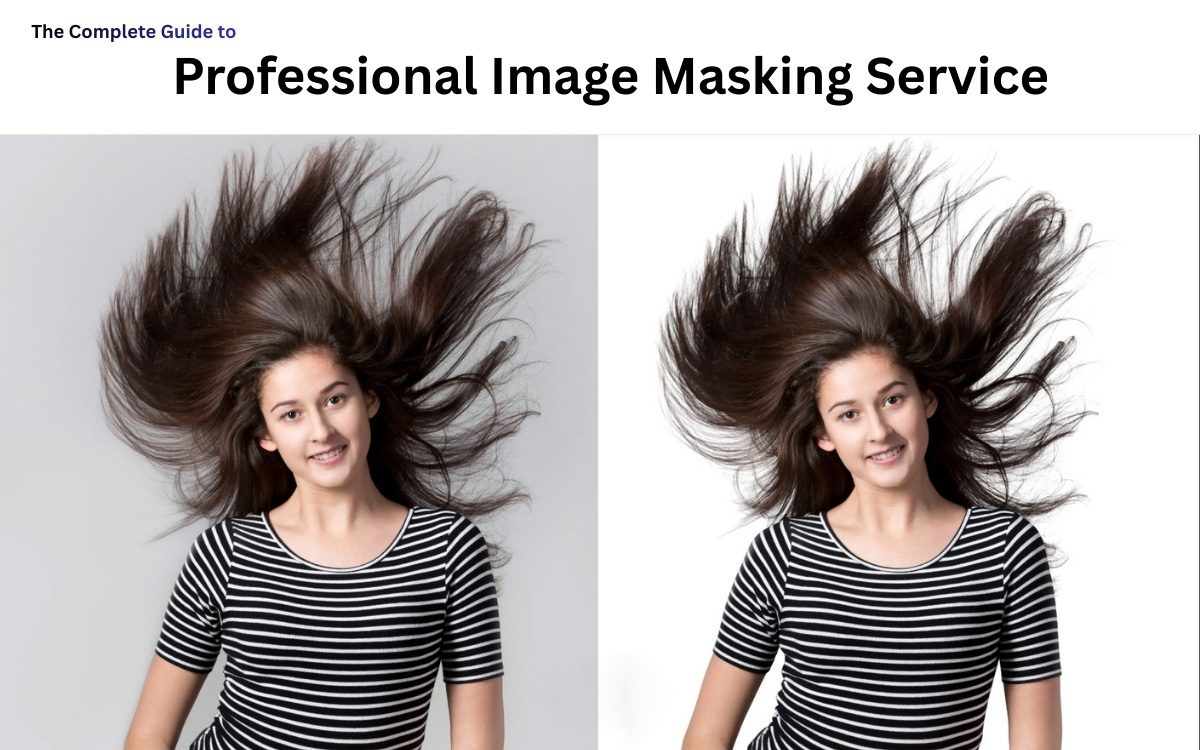
Image Masking: Best suited for products with intricate edges, such as hair or fur.
E-commerce Photo Retouching: Grasigner is the world’s largest creative company for showcasing and discovering creative ecommerce retouching work.
Shadow Creation: Enhances visual realism by adding depth and dimension to product shots.
Ghost Mannequin Effect: Often used in apparel, this technique removes the mannequin while maintaining a 3D, store-like presentation.
Color Correction: Enables a single product to be displayed in multiple colors without reshooting.
Product Infographics (Amazon-Style): Transforms standard images into visually engaging and informative graphics that highlight key features.
Additional services may include raster-to-vector conversion, advanced retouching, and background replacement, among others.
2. Use Google to Discover Reliable Providers
Start with a targeted Google search like “Outsource photo editing service for eCommerce.” You’ll find a variety of agencies—compare their offerings, portfolios, and customer reviews. Trusted platforms like Trustpilot, G2, and Yelp can provide valuable insights into their credibility and customer satisfaction.
3. Leverage Social Media and Online Communities
Tap into platforms like LinkedIn, Facebook, Quora, and Reddit to discover editing professionals and agencies followed by eCommerce brands. Join relevant groups and forums to see real-world recommendations, experiences, and shared portfolios. Instagram is another great channel where agencies showcase their before-and-after work to demonstrate quality and style.
4. Explore Local and Industry-Specific Directories
Check local listings such as Google My Business, Yelp, or Bing Places, using location-based keywords like “photo editing near me.” For broader outreach, explore B2B directories like Clutch.co, which often include in-depth client reviews and agency ratings. These platforms offer transparency and help verify the legitimacy of a service provider.
5. Seek Referrals from Your Network
Tap into your professional network on LinkedIn or within eCommerce communities. Post a request for recommendations or ask industry peers for referrals. Personal endorsements often come with insights into service quality, communication standards, turnaround times, and pricing structures.
6. Ask About Their Editing Tools and Technologies
It’s not just about talent—it’s also about the tools they use. Ensure the company relies on industry-standard software such as Adobe Photoshop or Lightroom, rather than free or AI-generated alternatives. This guarantees a level of professionalism and consistency in delivering high-quality results.
7. Evaluate Their Portfolio and Customer Ratings
Industry expertise in editing apparel requires a different approach than electronics or jewelry. Ask for sample work relevant to your niche. Review portfolios for consistency, creativity, and attention to detail. Also, check third-party reviews on platforms like Trustpilot to gauge reliability, quality, and customer experience.
8. Provide a Clear Editing Brief or Style Guide
Even top-tier Photoshop editing services need precise guidelines to deliver flawless product images. Many agencies offering Free Trials use this to test their skills by sharing exact specs: dimensions, file format, and edit types (retouching, clipping, etc.). Clear instructions ensure quality, speed, and on-time delivery for urgent projects.
9. Compare Pricing Models Thoughtfully
Once you shortlist providers, compare both service quality and pricing. Some may charge per image, per hour, or offer monthly packages for bulk work. Align your decision with your budget, workload, and delivery expectations. Balance cost with critical factors like image quality, deadline adherence, and client support.
Let me know if you’d like this formatted into a branded document, optimized for SEO, or tailored to a specific audience.
Where to Look for a Photo-Editing Company
When selecting a photo editing service provider, there are several options to consider each with its own advantages and limitations. These typically include international outsourcing firms, local agencies, freelance professionals, and interns or students seeking industry experience.
Interns or college students often represent the most cost-effective solution and are usually open to flexible, short-term arrangements. While their enthusiasm and willingness to learn can be valuable, they may lack the technical expertise and require more hands-on supervision than an experienced editor.
Freelance photo editors, on the other hand, vary significantly in pricing based on factors such as geographic location, years of experience, and industry specialization. While they may deliver high-quality results, freelancers often juggle multiple projects, which can impact turnaround time and availability. Additionally, their capacity to manage large volumes of work may be limited.
Larger, established Photo editing service companies can offer the full spectrum of reliability, speed, and technical proficiency. These organizations are typically well-equipped to handle high-volume workloads with consistent quality. However, their services usually come at a higher cost, and some may lack transparency around ethical practices or social responsibility.
To find the right provider, consider seeking referrals from trusted colleagues who have worked with reliable editors in the past. Online platforms such as LinkedIn, industry-specific forums, and Facebook groups can also be valuable resources. If you come across striking visuals on an e-commerce website, don’t hesitate to reach out and inquire about their editing partner great results often point to a skilled and dependable editor behind the scenes.
How Much Does E-Commerce Product Photo Editing Cost?
The cost of e-commerce product photography can vary depending on several factors, such as the number of products, the complexity of the products, the location of the photographer, the type of photography equipment used, and the level of post-production editing required.
On average, the cost of e-commerce product photography can range from $10 to $120 per product. For basic product photography, where the product is photographed on a white background, the cost can be around $10-$50 per product. For more complex products that require special lighting, styling, or retouching, the cost can be higher, up to $200 per product or more.
Some photographers may also charge by the hour, and the hourly rate can range from $50 to $200, depending on the photographer’s experience and expertise.
It’s important to note that while lower-cost options may be available, the quality of the photos may not be sufficient for e-commerce purposes. It’s essential to work with a professional photographer who has experience with e-commerce product photography to ensure that the images are of high quality and meet the specific requirements of e-commerce platforms.
FAQs About Editing Product Photos in Photoshop
Is outsourcing photo editing good for e-commerce?
Yes, outsourcing photo editing is good for photographers, eCommerce business owners, and individuals. It saves time and costs and provides access to industry-expert professionals who deliver high-quality images to clients faster.
Why is outsourcing product photo editing cheaper?
Outsourcing product photo editing can be cheaper than hiring in-house due to lower labor costs, reduced overhead expenses, and the ability to leverage specialized expertise without the long-term commitment of hiring and training staff.
How do you deliver edited photos to clients?
- Understanding Client Needs
- Professional Editing
- Consistent Quality
- Secure Delivery
- Organized Files
- Multiple Formats
- Backup
Related Posts
How to choose a photo editing service for ecommerce business needs
If you're in the retail industry, you've likely come across…
The Complete Guide to Professional Image Masking Service
In today’s digital marketplace, visuals play a huge role in…