Wedding photography is one of the most rewarding and challenging genres in the photography industry. A wedding day happens once, emotions run high, schedules move fast, and there are no second chances. For beginners, this can feel overwhelming. However, with the right preparation, mindset, and technical knowledge, wedding photography can become a fulfilling and profitable career path.
This complete guide to wedding photography for beginners is designed to help you understand every stage of the process—from preparation and planning to shooting, editing, and delivering final images. The language is simple, practical, and professional, making it easy to follow even if you are photographing your first wedding. By the end of this article, you will have a clear roadmap to confidently photograph weddings and build trust with your clients.
Understanding Wedding Photography as a Genre
Wedding photography is not limited to a single style. It combines several photography genres into one complete visual story. A wedding photographer must be comfortable switching between portrait photography, documentary-style storytelling, event coverage, group photography, detail shots, and even close-up or macro photography.
On a wedding day, you may photograph emotional portraits of the couple, candid reactions from family members, carefully styled details, and fast-moving moments on the dance floor. This variety is what makes wedding photography exciting, but it also demands strong preparation and adaptability.
Start by Assisting a Professional Wedding Photographer
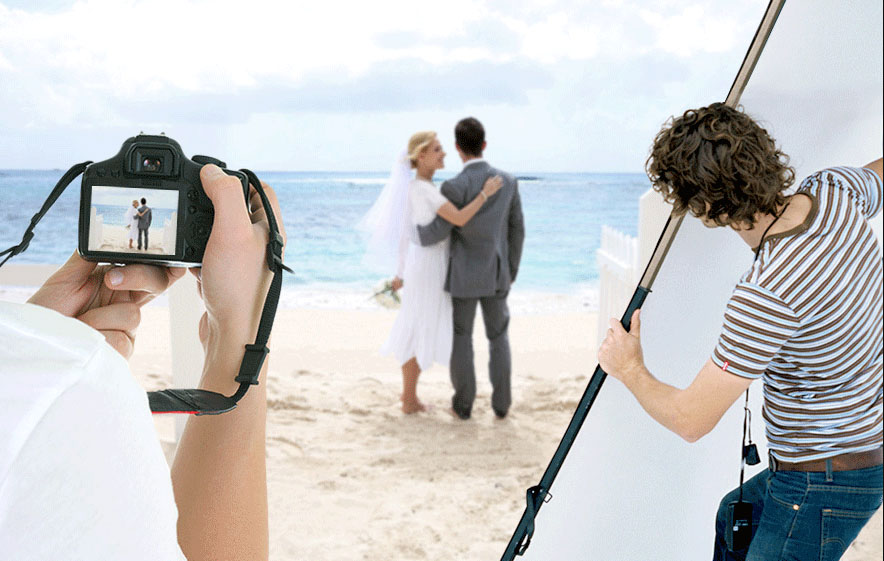
One of the most important wedding photography tips for beginners is to start by assisting an experienced professional. Assisting allows you to learn how weddings actually flow, how photographers interact with couples, and how they handle pressure.
As an assistant, you may help with lighting, carry gear, manage timelines, or even take secondary shots. This real-world experience teaches lessons that no tutorial or course can replace. You also learn how professionals solve problems, communicate with clients, and manage unexpected situations.
You can find professional wedding photographers through platforms such as WeddingWire, The Knot, Yelp, or local photography communities. You may also ask friends or family members who recently got married to recommend their photographer.
Prepare Legal Documents and Contracts
Before photographing any wedding professionally, you must have a clear and legally sound wedding photography contract. A contract protects both you and your client and sets clear expectations from the start.
A professional wedding photography contract should include:
- Services included in the package
- Coverage hours and deliverables
- Payment terms and deadlines
- Cancellation and rescheduling policies
- Image usage rights
- Liability and backup plans
Having a contract not only protects you legally but also builds trust with your clients. It shows that you take your work seriously and operate professionally.
Build a Strong Relationship with the Couple
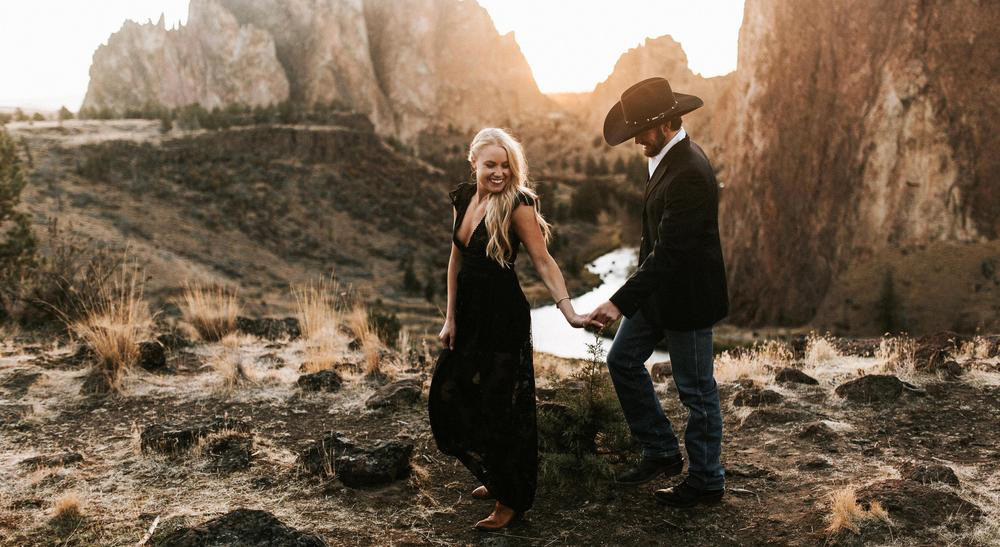
Great wedding photography starts with a strong connection between the photographer and the couple. Getting to know your clients helps you understand their personalities, preferences, and expectations.
Whenever possible, offer an engagement photoshoot. This gives both you and the couple a chance to work together before the wedding day. It also helps the couple feel more relaxed in front of your camera.
If an engagement shoot is not possible, schedule a meeting or video call. Ask about their story, their vision, and the type of photos they love. Sending a wedding photography questionnaire is also highly effective.
Important questions to ask include:
- Do they prefer posed or candid photos?
- Which parts of the wedding day need coverage?
- Are there any surprise events planned?
- How many guests will attend?
- Are there any sensitive family situations?
Clear communication prevents misunderstandings and ensures smoother coverage on the wedding day.
Learn About the Guests
At weddings, certain guests are especially important to the couple. These may include parents, grandparents, siblings, or close friends. Reviewing the guest list helps you recognize key people and capture meaningful moments.
If possible, learn names and faces in advance. Knowing who matters most allows you to focus on emotional interactions that truly matter to your clients.
Create a Wedding Photography Mood Board

A mood board is a visual reference that helps align your creative vision with the couple’s expectations. Platforms like Pinterest, Behance, and Canva are excellent tools for this.
Ask the couple to share images they love. You can also present your own mood board to show your preferred style, lighting, and composition. This step is especially important for beginner wedding photographers, as it helps avoid creative mismatches.
Scout the Wedding Venue in Advance
Visiting the wedding venue before the event is highly recommended. This allows you to understand lighting conditions, available shooting angles, and any restrictions.
If an in-person visit is not possible, research the venue online. Look for real wedding photos, venue galleries, and floor plans. Contact venue management to confirm photography rules, especially for religious locations.
Knowing the venue in advance saves time and reduces stress on the wedding day.
Evaluate Lighting Conditions
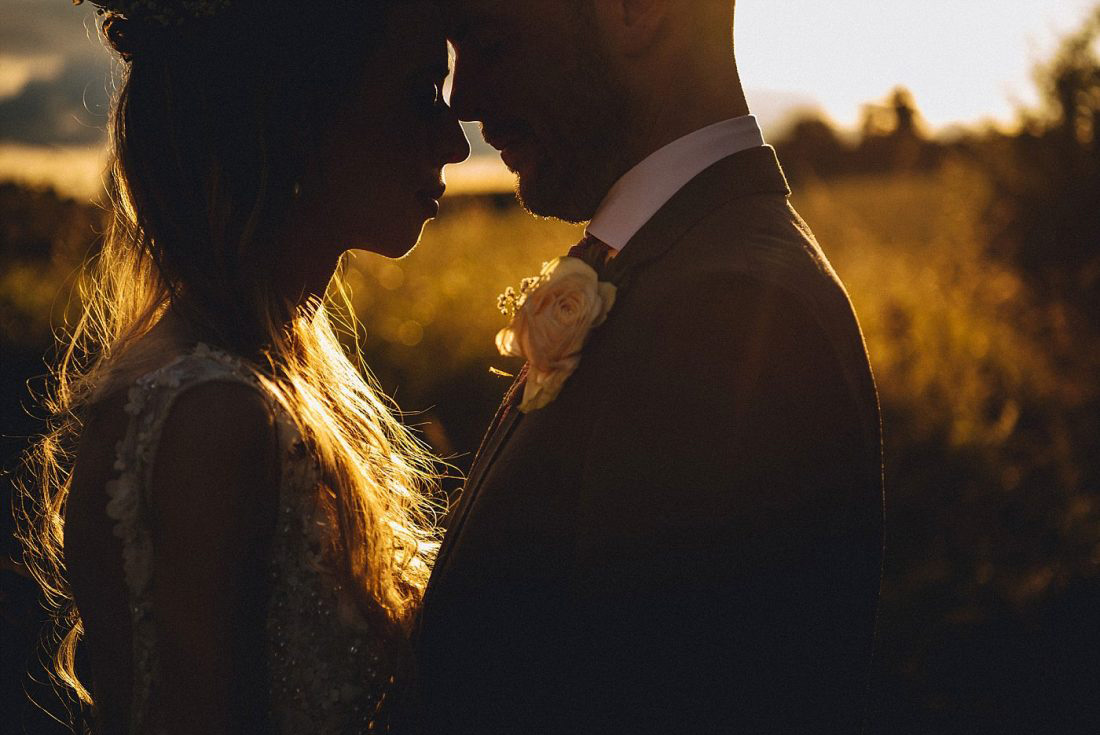
Lighting is one of the most critical elements in wedding photography. Arrive at least 30 to 60 minutes early to assess lighting conditions.
Common lighting sources include:
- Natural light from windows
- Golden hour sunlight
- On-camera or off-camera flash
- Reflectors
Understanding how light behaves in each location helps you make better exposure decisions and avoid harsh shadows or blown highlights.
Work with an Assistant or Second Shooter
Professional wedding photographers often work with assistants or second shooters. An assistant can manage lighting, equipment, and logistics, while a second shooter captures alternative angles and candid moments.
Having help allows you to focus on key moments and reduces the risk of missing important shots. You can find assistants through photography groups, associations, or freelance platforms.
Obtain the Wedding Day Timeline
A detailed wedding photography timeline is essential. It outlines every stage of the day, including preparation, ceremony, reception, and special events.
Understanding the timeline helps you plan transitions, anticipate key moments, and manage your energy throughout the day.
Prepare a Pre-Wedding Checklist
Preparation begins well before the wedding day. The day before, confirm schedules, charge batteries, clean lenses, format memory cards, and review your shot list.
On the wedding morning, double-check your gear, dress professionally, and allow extra travel time. Being organized helps you stay calm and confident.
Organize and Protect Your Gear
Reliable equipment is essential for wedding photography. At a minimum, your gear should include:
- Two camera bodies
- Multiple lenses with different focal lengths
- Flash units and diffusers
- Extra batteries and memory cards
- Camera bag and accessories
Always bring backup equipment. Weddings are unpredictable, and equipment failure should never stop you from working.
Use Multiple Lenses Strategically
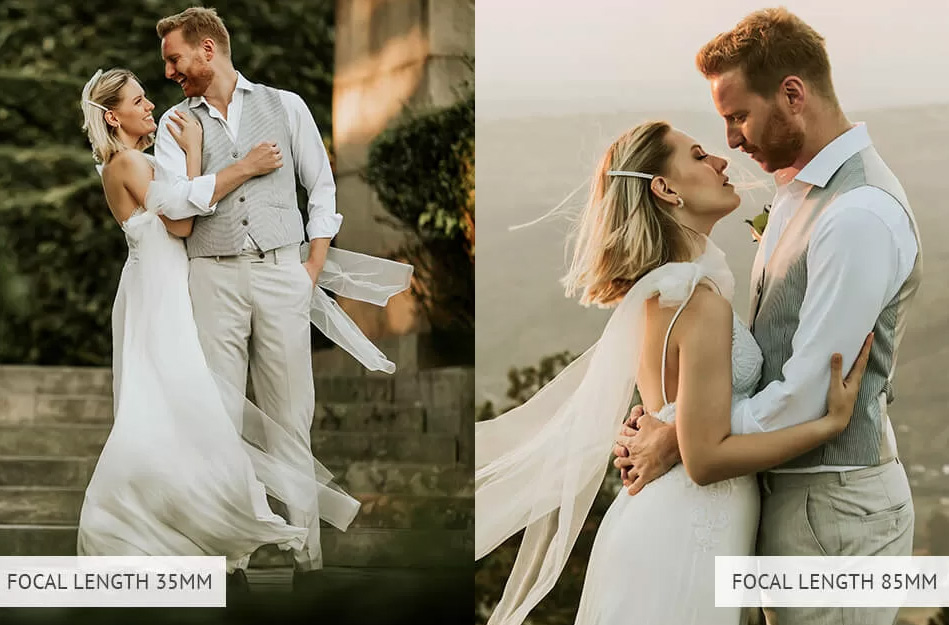
Different moments require different lenses. Wide-angle lenses are ideal for group shots and venue interiors, while telephoto lenses work well for candid moments and portraits.
A common lens combination includes 35mm and 85mm lenses. This setup allows flexibility without frequent lens changes.
Prepare an Emergency Wedding Kit
Small emergencies happen at weddings. Carrying items like safety pins, stain remover, tissues, and a lint roller can be extremely helpful. Couples often appreciate photographers who go the extra mile.

Create a Detailed Wedding Photography Shot List
A shot list ensures you do not miss important moments. While flexibility is essential, a structured list keeps you organized.
Your shot list should include:
- Detail shots
- Bridal and groom preparations
- Ceremony highlights
- Group and family portraits
- Reception and party moments
Review this list with the couple before the wedding.
Master Essential Camera Settings
Always shoot in RAW format. This preserves image quality and allows greater flexibility during editing.
Recommended starting settings include:
- Shutter speed: 1/250 or faster
- Aperture: Adjust based on depth of field needs
- ISO: Keep as low as possible while maintaining proper exposure
Understanding how shutter speed, aperture, and ISO work together is fundamental for wedding photography success.
Learn How to Bounce Flash Correctly
On-camera flash often gets a bad reputation for producing harsh or unflattering light, but with proper technique, it can yield professional-quality results. A fundamental method to improve flash photography is the bounce technique, where the flash is aimed at a nearby wall, ceiling, or other neutral surface to diffuse and soften the light before it reaches the subject.
You can use either TTL (Through-The-Lens) or manual flash mode, but the key is to identify a surface with a neutral tone to maintain natural color balance. When shooting outdoors, avoid direct flash by feathering the light—slightly angling the flash head and experimenting with zoom and power settings—to achieve soft, even illumination without harsh shadows. This approach ensures your images remain well-lit and visually appealing in any environment.
Experiment with Angles and Composition
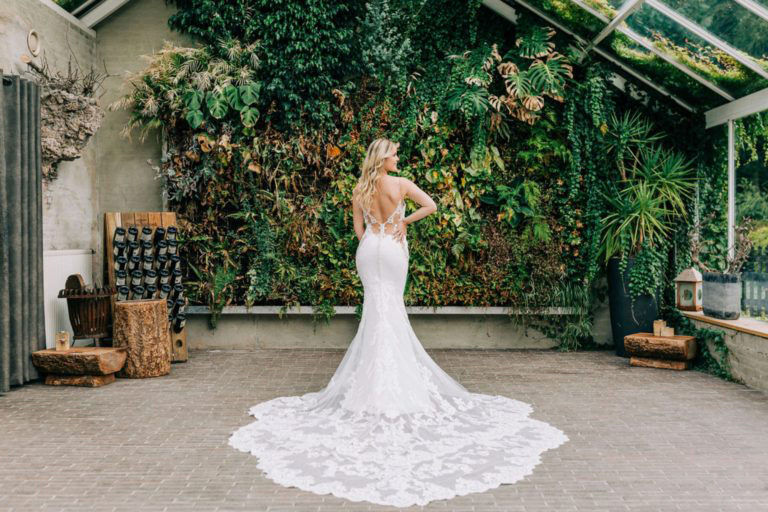
Experimenting with camera angles can dramatically enhance the visual impact of your wedding photographs. Try capturing shots from elevated positions—holding the camera overhead, using a chair, or even employing a drone—to achieve striking aerial perspectives of the venue or wedding party. Conversely, lowering the camera to waist or ground level can create unique, immersive viewpoints, particularly during key moments such as the wedding party’s walk down the aisle. By varying your shooting angles, you add depth, creativity, and visual interest to your coverage, helping your images stand out.
Find Inspiration Beyond Wedding Photography
Seek inspiration beyond traditional wedding photography by studying a wide range of visual media, including films, movie posters, advertisements, music videos, and magazine covers that feature compelling and creative compositions.
Additionally, explore the work of photographers across diverse genres—such as urban, event, portrait, and fine art photography—to discover innovative techniques and fresh perspectives. Platforms like social media, specialized photography websites, and renowned fashion publications, including Harper’s Bazaar, are excellent resources for discovering talented creatives whose work can spark ideas and elevate your own photography style.
Use Professional Editing Software
Capturing images on the wedding day and subsequently editing them are the two core components of a professional photographer’s workflow. Once the shooting is complete, the focus shifts to meticulous post-processing to enhance image quality and achieve a polished, cohesive look.
Industry-standard software such as Adobe Lightroom and Photoshop is highly recommended for this stage. Both platforms offer powerful, versatile tools suitable for photographers of all skill levels, enabling precise adjustments, color correction, retouching, and creative enhancements to ensure every photograph meets professional standards.
Understand Popular Wedding Photography Styles
Common styles include:
- Light and airy
- Dark and moody
- Matte finish
- Desaturated tones
Understanding these trends helps you meet client expectations and refine your personal style.
Edit Your Wedding Photos Quicker
Begin by carefully sorting and culling the images, selecting only the strongest and most meaningful shots. Organize the selected photos into clearly labeled folders based on each stage of the wedding day, such as the bride’s preparations, groom’s preparations, ceremony, aisle moments, décor and details, reception, and evening celebrations.
For an efficient and professional workflow, use dedicated photo management software such as Adobe Lightroom or Photo Mechanic. These tools are specifically designed for fast image culling, organization, and review, helping you manage large volumes of wedding photos with accuracy and ease.
Want to Spend Less Time on Editing Wedding Photos?
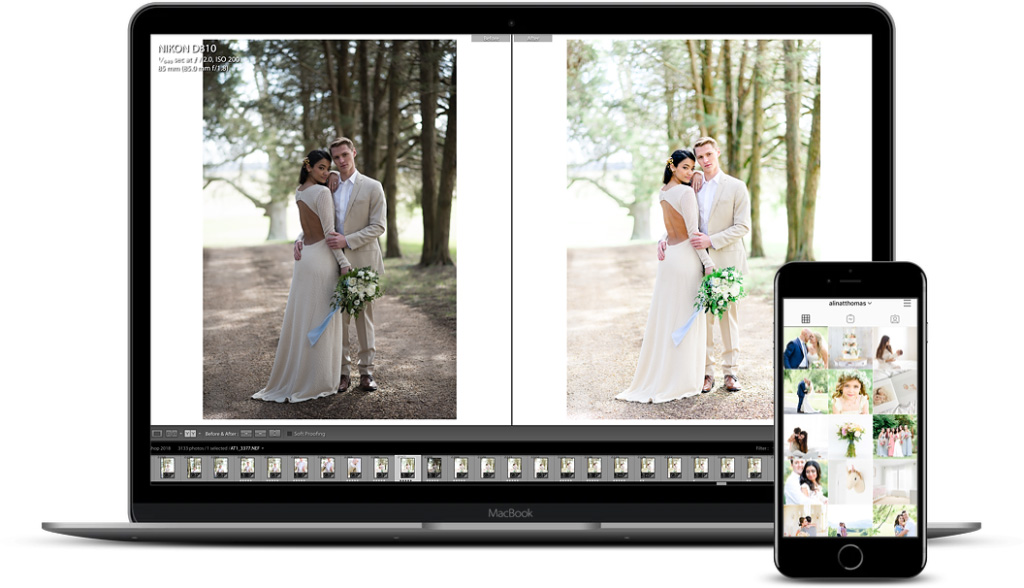
Experienced retouching professionals with more than 15 years of expertise can manage the entire post-production process, including image culling, precise skin retouching, and any additional adjustments you require. By choosing one of the available wedding photo editing packages, you can streamline your workflow and reduce costs, saving up to $86 per wedding while maintaining consistently high-quality results.
Employ presets: Utilize professional presets to streamline your editing workflow. Presets allow you to apply a consistent set of adjustments across multiple images with just a few clicks, saving time while maintaining a cohesive visual style. Once a preset is applied, you can fine-tune individual settings manually to achieve the precise look and mood you envision for each photograph.
Generate smart previews: During the import process, activate the Build Smart Previews option (found under Import dialog > File Handling). This feature automatically generates Smart Previews for all imported images in Lightroom, allowing you to efficiently edit and manage your photos without requiring constant access to the original files, thereby optimizing your workflow and improving overall performance.
Take advantage of hotkey combinations: Familiarize yourself with the most frequently used Lightroom shortcuts, or customize your own for repetitive tasks, to dramatically accelerate your editing workflow and enhance overall efficiency.
Explore possible outsourcing options: For photographers handling multiple weddings or looking to scale their business, delegating post-production tasks can be a game-changer. Partnering with skilled professional retouchers allows you to offload the entire editing process—from carefully selecting the best shots to refining skin, correcting details, and enhancing overall image quality—so you can focus on capturing unforgettable moments while ensuring every final image meets the highest professional standards.
Deliver Photos Through Albums and Galleries
To provide clients with the best possible photo-viewing experience, deliver the final images through a professional online gallery or a carefully designed wedding album. Online galleries can be created using platforms such as ShootProof or Pixieset, while custom wedding albums can be designed with tools like Adobe Bridge, Lightroom, or Photoshop. As experienced wedding photographer Julian Ribinik notes, a thoughtfully crafted photo album is an ideal way to preserve meaningful memories and allow couples to relive the joy and emotions of their wedding day for years to come.
Follow a Post-Wedding Workflow
Under no circumstances should client photographs be put at risk. As soon as you return from the wedding, immediately back up all files from your memory cards to an external hard drive or a secure storage system to prevent data loss.
Whenever possible, begin the image editing process promptly. If your contract specifies a delivery timeline for the final images, it is your professional responsibility to meet those agreed-upon deadlines. For most wedding photography projects, the standard turnaround time typically ranges from a few weeks to two or three months, depending on the scope of work and the level of post-production required.
Wedding Photography Tips for Beginners: A Practical Review
Photographing weddings as a beginner can feel overwhelming, but this guide offers a strong starting point. If your goal is to grow your skills and build a successful photography business, learning the basics—such as understanding light and camera settings—is essential. Remember, no wedding day is ever perfect. Challenges will happen, but your role is to capture meaningful moments. When the day ends, your couple should walk away with beautiful digital images and a fine art album that tells their story.
While it’s true that weddings only happen once, you also have an entire day to document the experience. Preparation, planning, and backup solutions help you avoid common mistakes and allow you to focus on what truly matters—what went right.
Additional Notes for Beginners
Many clients search online for “wedding photographers near me,” so creating a Google local listing is important. This helps your business appear in local search results and increases your visibility.
Another common question is what a wedding photographer should wear. Dress codes vary depending on the venue and wedding style. Always confirm how formal the event is before choosing your outfit. Your clothing should be comfortable, professional, and suitable for long hours of movement. The goal is to blend in and remain professional, as the attention should always be on the couple.
Six Simple Steps to Get Started
- Care about your couple and their story
- Use a shot list, but stay flexible
- Keep your approach simple and stress-free
- Learn how to work with light
- Set one learning goal at a time
- Understand the business side of photography
We hope these wedding photography tips for beginners inspire you to enjoy the creative process and continue improving your skills. Stay connected by joining our newsletter for fresh insights, free resources, and recommended reading. Focus on creating a memorable experience for your clients, and it will be just as rewarding for you.
Final Thought
Wedding photography is more than just taking pictures—it is about telling a meaningful story, preserving emotions, and capturing moments that can never be repeated. For beginners, success comes from preparation, patience, and a strong understanding of both technical skills and human connection. By applying the tips and practices outlined in this guide, you can approach each wedding with confidence, professionalism, and creativity. With consistent learning and experience, your ability to document unforgettable wedding moments will continue to grow.
By following these wedding photography tips for beginners, you can create meaningful images, earn client trust, and grow a successful wedding photography business over time.
Related Posts
How to Optimize Your Own Ecommerce Photography Studio? The Complete Guide
Ecommerce product photography refers to capturing images of items sold…

The Ultimate Guide to eCommerce Product Photography in 2025
In the booming world of online retail, product photography is…